What’s the Impact of Presidential Elections on the Housing Market?

What’s the Impact of Presidential Elections on the Housing Market?

What's the Impact of Presidential Elections on the Housing Market? Simplifying The Market

It’s no surprise that the upcoming Presidential election might have you speculating about what’s ahead. And those unanswered thoughts can quickly spiral, causing fear and uncertainty to swirl through your mind. So, if you’ve been considering buying or selling a home this year, you’re probably curious about what the election might mean for the housing market – and if it’s still a good time to make your move.

Here’s the good news that may surprise you: typically, Presidential elections have only had a small, temporary impact on the housing market. But your questions are definitely worth answering, so you don’t have to pause your plans in the meantime.

Here’s a look at decades of data that shows exactly what’s happened to home sales, prices, and mortgage rates in previous Presidential election cycles, so you can move forward with the facts as you weigh the pros and cons of your homeownership decision.

Home Sales

In the month leading up to a Presidential election, from October to November, there’s typically a slight slowdown in home sales (see graph below):

Some consumers will simply wait it out before they make their purchase decision. However, it’s important to know this slowdown is small and temporary.

Historically, home sales bounce right back and continue to rise the following year.

In fact, data from the Department of Housing and Urban Development (HUD) and the National Association of Realtors (NAR) shows after 9 of the last 11 Presidential elections, home sales went up the year after the election, and it’s been happening consistently since the early 1990s (see chart below):

Home Prices

You may also be wondering about home prices. Do prices come down during election years? Not typically. As residential appraiser and housing analyst Ryan Lundquist notes:

“An election year doesn’t alter the price trend that is already happening in the market.”

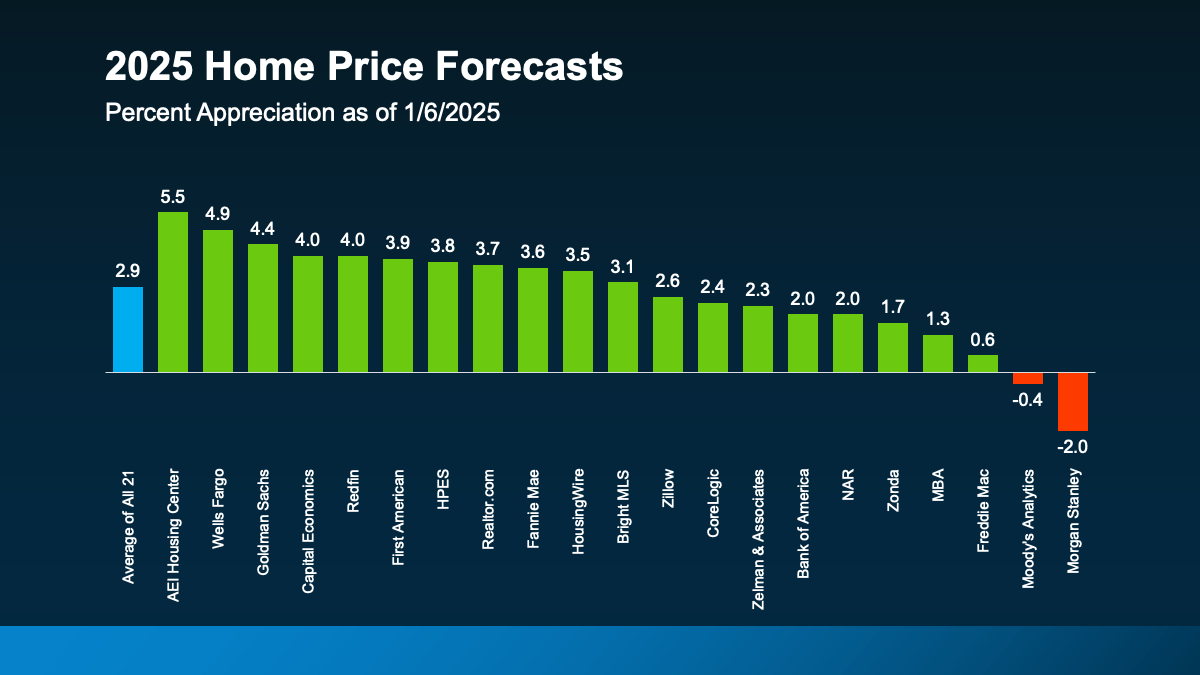
Home prices generally rise over time, regardless of an election cycle. So, based on what history shows, you can expect the current pricing trend in your local market to likely continue, barring any unusual market or economic circumstances.

The latest data from NAR reveals that after 7 of the last 8 Presidential elections, home prices increased the following year (see chart below):

No Caption ReceivedThe one outlier was from 2008 to 2009, which was during the height of the housing market crash. That was certainly not a typical year. Today’s market, however, is much more resilient. And while prices are moderating nationally, they aren’t on an overall decline.

Mortgage Rates

And the third thing that’s likely on your mind is mortgage rates, since they impact your monthly payment if you’re financing a home. Looking at the last 11 Presidential election years, data from Freddie Mac shows mortgage rates decreased from July to November in 8 of them (see chart below):

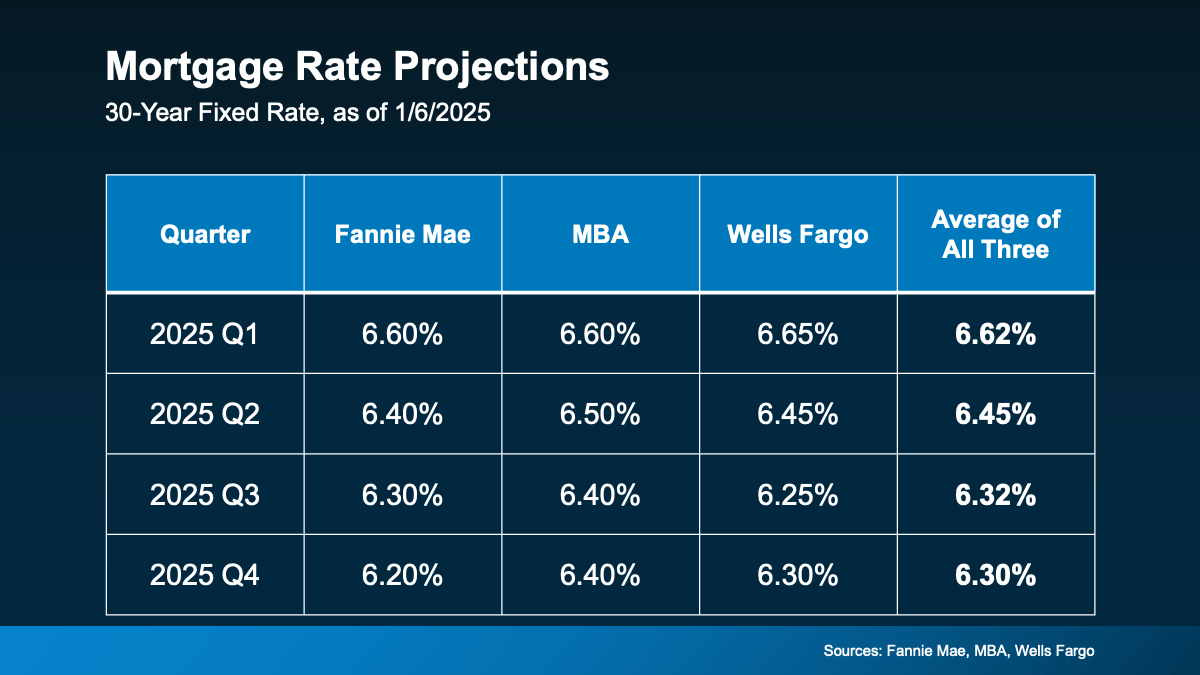
No Caption ReceivedAnd this year, we’ve already started to see that happen. Most experts also forecast mortgage rates will ease slightly throughout the rest of 2024. If that happens – and all signs right now indicate it should – this year will continue to follow the trend of declining rates. So, if you’re looking to buy a home in the coming months, this could be great news for your purchasing power.

What This Means for You

What’s the big takeaway? While Presidential elections do have some impact on the housing market, the effects are usually minimal. As Lisa Sturtevant, Chief Economist at Bright MLS, says:

“Historically, the housing market doesn’t tend to look very different in presidential election years compared to other years.”

For most buyers and sellers, elections don’t have a major impact on their plans.

Bottom Line

While it’s natural to feel a bit uncertain during an election year, history shows the housing market remains strong and resilient. And this means you don’t have to pause your plans in the meantime. For help navigating the market during this election cycle, reach out to a local real estate agent. 

How Growing Inventory Benefits Today’s Buyers

How Growing Inventory Benefits Today’s Buyers

How Growing Inventory Benefits Today's Buyers Simplifying The Market

No Caption Received

Some Highlights

  • While the number of homes for sale varies by local area, nationally we’re up over 36% year-over-year, but still down almost 29% compared to what’s normal.​
  • Here’s what that means when you buy: more options for your search, more negotiation power for you, it’s more likely sellers will make select repairs, and more moderate price growth.
  • If you want to talk more about what rising inventory means for you, connect with a local real estate agent.
Today’s Biggest Housing Market Myths

Today’s Biggest Housing Market Myths

Today’s Biggest Housing Market Myths Simplifying The Market

Have you ever heard the phrase: don’t believe everything you hear? That’s especially true if you’re thinking about buying or selling a home in today’s housing market. There’s a lot of misinformation out there. And right now, making sure you have someone you can go to for trustworthy information is extra important.

If you partner with a real estate agent, they can clear up some common misconceptions and reassure you by backing them up with research-driven facts. Here are just a few misconceptions they can help disprove.

1. I’ll Get a Better Deal Once Prices Crash

If you’ve heard home prices are going to come crashing down, it’s time to look at what’s actually happening. While prices vary by local market, there’s a lot of data out there from numerous sources that shows a crash is not going to happen. Back in 2008, there was a dramatic oversupply of homes that led to prices crashing. Across the board, there’s an undersupply of homes for sale today. That makes this market a whole different scenario (see chart below):

No Caption ReceivedSo, if you think waiting will score you a deal, know that data shows there’s not a crash on the horizon, and waiting isn’t going to pay off the way you’d hoped.

2. I Won’t Be Able To Find Anything To Buy

If this nagging fear about finding the right home if you move is still holding you back, you probably haven’t talked with an expert real estate agent lately. Throughout the year, the supply of homes for sale has grown. Data from Realtor.com helps put this into context. While there are still fewer homes on the market than in a more normal year like 2019, inventory is still above where it was at this time last year (see graph below):

No Caption ReceivedSo, if you’re remembering all that media coverage about record-low supply during the pandemic, you can rest a bit easier. While the market isn’t back to normal just yet, inventory is moving in a healthier direction. And that means as your options improve, you can let go of this now outdated myth because finding a home to buy won’t feel quite so impossible anymore.

3. I Have To Wait Until I Have Enough for a 20% Down Payment

Many people still believe you need a 20% down payment to buy a home. To show just how widespread this myth is, Fannie Mae says:

“Approximately 90% of consumers overstate or don’t know the minimum required down payment for a typical mortgage.”

And if you look at the data from the National Association of Realtors (NAR), you can see the typical homeowner isn’t putting down as much as you might expect (see graph below):

First-time homebuyers are typically only putting down 6%. That’s far less than the 20% so many people think they need. And if you’re looking at that graph and you’re more focused on how the number for repeat buyers is closer to 20%, here’s what you need to realize. That’s only because they have so much equity built up in their current house that can be used to make a larger down payment for their next move.

This goes to show you don’t have to put 20% down, unless it’s specified by your loan type or lender. Many people put down a lot less. Not to mention, depending on the type of home loan you get, you may only need to put 3.5% or even 0% down. So, if you’re buying your first home, you likely don’t need nearly as much for your down payment as you may think.

An Agent’s Role in Fighting Misconceptions

If you put your move on pause because you heard one or more of these myths yourself, it’s time to talk to a trusted agent. An expert agent has more data and the facts, just like this, to reassure you and help break through any misconceptions that may be holding you back.

Bottom Line

If you have questions about what you’re hearing or reading, connect with a real estate agent. You deserve to have someone you can trust to get the facts.

How To Choose a Great Local Real Estate Agent

How To Choose a Great Local Real Estate Agent

How To Choose a Great Local Real Estate Agent Simplifying The Market

Selecting the right real estate agent can make a world of difference when buying or selling a home. But how do you find the best one? Here are some tips to help you make that big decision as you determine your partner in the process.

Check Their Reputation

Start by gathering information about agents in your area. From there, try to narrow down the list. Ask the people you trust if they have someone they’d recommend. You’ll want to find an agent with a strong online presence, plenty of positive reviews, and someone whose great reputation truly precedes them. As Freddie Mac explains:

“. . . you may want to look for a real estate agent who specializes in the type of home you’re searching for. For example, if you are looking for an energy-efficient home, look for an agent who has experience with finding and negotiating offers for those homes. If you are looking for new construction, you’ll want to find an agent who has experience with new construction and isn’t affiliated with the builder . . .”

Look for Local Market Expertise

A great agent should have in-depth knowledge of what’s happening at the national and local level. That way they can clear up any misconceptions sparked by what you’re reading or hearing in the news. And they can tell you how your area compares to the national data. As an added perk, they’ll also be familiar with the neighborhoods you’re interested in and community amenities. As a recent article from Business Insider says:

“Spend some time talking with prospective agents about the local real estate market and how it could impact your purchase or sale. You want to get an understanding of how knowledgeable they are about local market conditions. Whether they’re helping you sell or buy, their strategy for you should account for those conditions.”

Get a Feel for Their Communication Style and Availability

Effective communication is key in real estate transactions. Choose an agent who listens to your needs, answers your questions quickly, and keeps you informed throughout the process. If an agent is juggling too many clients, they might not be able to give you the attention you deserve. You want someone who will be readily available and responsive. So, what’s the best way to get a feel for their communication style and preferences? Bankrate offers this advice:

Interviews also give you a chance to find out the agent’s preferred method of communication and their availability. For example, if you’re most comfortable texting and expect to visit homes after work hours during the week, you’ll want an agent who’s happy to do the same.”

Trust Your Gut

Last, rely on your instincts. If you feel like you do or don’t click with one of the agents you’re talking to, that matters. Choose an agent you feel at ease with and who inspires confidence. The right agent should be someone you trust to guide you through one of the most significant transactions of your life. As Business Insider says:

“As long as you’ve properly vetted the agents you’re considering and ensured they have the necessary expertise, it’s ok to go with your gut . . . Maybe you have a better rapport with one of the agents you’re considering, or you just feel like they’re easier to approach. You’re going to be working closely with this person, so it’s important to choose an agent you’re comfortable with.”

Bottom Line

By following these tips, you can pick an agent who’ll provide the support and expertise you need to help make the process as smooth as possible. Connect with local agents to see if they’d be a good fit for working together.

How Mortgage Rate Changes Impact Your Homebuying Power

How Mortgage Rate Changes Impact Your Homebuying Power

How Mortgage Rate Changes Impact Your Homebuying Power Simplifying The Market

If you’re thinking about buying or selling a home, you’ve probably got mortgage rates on your mind. That’s because you’ve likely heard that mortgage rates impact how much you can afford in your monthly mortgage payment, and you want to factor that into your planning. Here’s what you need to know.

What’s Happening with Mortgage Rates?

Mortgage rates have been trending down recently. While that’s good news for your homebuying plans, it’s important to know that rates can be unpredictable because they’re affected by many factors.

Things like the economy, job market, inflation, and decisions made by the Federal Reserve all play a part. So, even as rates go down, they can still bounce around a bit based on new economic data. As Odeta Kushi, Deputy Chief Economist at First American, says:

“The ongoing deceleration in inflation, coupled with the Federal Reserve’s recent indication of potential rate cuts [in 2024], suggests an environment supportive of modest declines in mortgage rates. Barring any unforeseen circumstances and resurgence in inflation, lower mortgage rates could be on the horizon, but the journey towards them might be slow and bumpy.

How Do These Changes Affect You?

When mortgage rates change, it affects how much you pay each month for your home loan. Even a small rate change can make a big difference to your monthly bill.

Take a look at the chart below to see how different mortgage rates impact your house payment each month for various loan amounts. Imagine you can afford a monthly payment of $2,600 for your home loan. The green part in the chart shows payments in that range or lower based on varying mortgage rates (see chart below):

No Caption ReceivedUnderstanding how mortgage rates impact your payment helps you make better decisions.

How Can You Keep Track of the Latest on Rates?

Real estate agents have the expertise to help you understand what’s happening and what it means for you. They can provide tools and visuals, like the chart above, to show how rate changes impact your buying power.

You don’t need to be a mortgage expert; you just need a professional by your side. Someone who can help you make sense of the market and guide you through your homebuying or selling journey.

Bottom Line

If you have questions about the housing market, reach out to a local real estate agent. They can help you understand what’s going on and how to navigate it.

3 Reasons To Move in Today’s Shifting Market

3 Reasons To Move in Today’s Shifting Market

3 Reasons To Move in Today’s Shifting Market Simplifying The Market

No Caption Received

Some Highlights

  • The housing market is in a transition. And that gives you 3 key opportunities going into the fall.
  • There are more homes actively for sale. Builders are motivated to sell, so a newly built home may be more achievable than you think. And mortgage rates have come down from their recent peak.
  • If you’re ready and able to buy, you may find the housing market this fall a bit easier to navigate. Connect with an agent to get started.​

Pin It on Pinterest