Businessman looking at smartphone while sitting at counter in office coworking space working on project on laptop
A lot has changed over the past year. For many people, the rise in remote work influenced what they’re looking for in a home and created a greater appetite for a dedicated home office. Some professionals took advantage of the situation and purchased a bigger home. Other people thought working from home would be temporary, so they chose to get creative and make the space they already had work for them. But recent headlines indicate working from home isn’t a passing fad.
If you’re still longing for a dedicated home office, now may be the time to find the home that addresses your evolving needs. More and more companies are delaying their plans to return to the office – others are deciding to remain fully remote permanently. According to economists from Goldman Sachs in a recent article from CNN:
“Job ads increasingly offer remote work and surveys indicate that both workers and employers expect work from home to remain much more common than before the pandemic.”
Other experts agree. A survey conducted by Upwork of 1,000 hiring managers found that due to the pandemic, companies were planning more remote work now and in the years to come. Upwork elaborates:
“The number of remote workers in the next five years is expected to be nearly double what it was before COVID-19: By 2025, 36.2 million Americans will be remote, an increase of 16.8 million people from pre-pandemic rates.”
The charts below break down their findings and compare pre- and post-pandemic percentages.
How Does This Impact Homeowners?
If you own your home, it’s important to realize that continued remote work may give you opportunities you didn’t realize you had. Since you don’t need to be tied to a specific area for your job, you have more flexibility when it comes to where you can live.
If you’re one of the nearly 23% of workers who will remain 100% remote:
You have the option to move to a lower cost-of-living area or to the location of your dreams. If you search for a home in a more affordable area, you’ll be able to get more home for your money, freeing up more options for your dedicated office space and additional breathing room.
You could also move to a location where you’ve always wanted to live – somewhere near the beach, the mountains, or simply a market that features the kind of weather and community amenities you’re looking for. Without your job tying you to a specific location, you’re bound to find your ideal spot.
If you’re one of the almost 15% of individuals who will have a partially remote or hybrid schedule:
Relocating within your local area to a home that’s further away from your office could be a great choice. Since you won’t be going in to work every day, a slightly longer commute from a more suburban or rural neighborhood may be a worthy trade-off for a home with more features, space, or comforts.
Bottom Line
If ongoing remote work is changing what you need in a home, let’s connect to find one that delivers on your new wish list.
If you’ve been in your home for longer than five years, you’re not alone. According to recent data from First American, homeowners are staying put much longer than historical averages (see graph below):As the graph shows, before 2008, homeowners sold their houses after an average of just five years. Today, that number has more than doubled to over 10 years. The housing industry refers to this as your tenure.
To really explore tenure, it’s important to understand what drives people to make a move. An article from The Balance explores some of the primary reasons individuals choose to sell their houses. It says:
“People who move for home-related reasons might need a larger home or a house that better fits their needs, . . . Financial reasons for moving include wanting a nicer home, moving to a newer home to avoid making repairs on the old one, or cashing in on existing equity.”
If you’ve been in your home for longer than the norm, chances are you’re putting off addressing one, if not several, of the reasons other individuals choose to move. If this sounds like you, here are a few things to consider:
If your needs have changed, it may be time to re-evaluate your home.
As the past year has shown, our needs can change rapidly. That means the longer you’ve been in your home, the more likely it is your needs have evolved. The Balance notes several personal factors that could lead to your home no longer meeting your needs, including relationship and job changes.
For example, many workers recently found out they’ll be working remotely indefinitely. If that’s the case for you, you may need more space for a dedicated home office. Other homeowners choose to sell because the number of people living under their roof changes. Now more than ever, we’re spending more and more time at home. As you do, consider if your home really delivers on what you need moving forward.
It’s often financially beneficial to sell your house and move.
One of the biggest benefits of homeownership is the equity your home builds over time. If you’ve been in your house for several years, you may not realize how much equity you have. According to the latest Homeowner Equity Report from CoreLogic, homeowners gained an average of $33,400 in equity over the past year.
That equity, plus today’s low mortgage rates, can fuel a major upgrade when you sell your home and purchase a new one. Or, if you’re looking to downsize, your equity can help provide a larger down payment and lower your monthly payments over the life of your next loan. No matter what, there are significant financial benefits to selling in today’s market.
Bottom Line
If you’ve been in your home for 5-10 years or more, now might be the time to explore your options. Today’s low rates and your built-up equity could provide you with the opportunity to address your evolving needs. If you feel it’s time to sell, let’s connect.
Whether you’re buying or selling – today’s housing market has plenty of good news to go around.
Buyers can take advantage of today’s mortgage rates to escape rising rents and keep monthly payments affordable. Sellers can reap the benefits of multiple offers and a fast sale.
If this sounds like good news to you, let’s connect today so you can capitalize on the unique opportunity you have in today’s market.
When it comes to the latest news in real estate, there are a lot of sensational headlines in the media. In times like this, when it can be hard to know what to believe, put your trust in the experts. Those of us in the housing market respect that buying or selling a home is a major life decision, and we offer advice based on what the data shows.
Despite what you may have read, the housing market is still undeniably strong. Here’s a look at what leading experts have to say about buyer demand today and how it continues to shape the industry:
“In general, there are definite signs of cooling demand. However, buyer traffic is still at historically high levels compared to pre-pandemic showings.”
Odeta Kushi, Deputy Chief Economist at First American:
“Seasonally adjusted purchase applications tick up slightly to the highest level since July. Demand for homes remains strong and steady. Excluding 2020 (not a good benchmark) purchase applications are the strongest in a decade.”
“Home buyer demand pushed price growth to a new record high in June, with S&P CoreLogic national Case-Shiller Index clocking in an 18.6% year-over-year growth rate. The month-to-month index jumped 2.18%, making it another strong monthly growth, and the fastest May-to-June increase since the data series began.”
What It Means for You
As a seller, buyer demand is an important factor that helps influence how fast your house will sell and how many buyers may be competing for it. When buyers have to compete against each other for a limited supply of available homes, bidding wars can drive prices up. While things have cooled slightly since the peak of the pandemic housing rush, buyer demand is still far surpassing historical norms. That’s why we’re still in a sellers’ market.
Bottom Line
If you’re torn on whether or not you want to sell your home this year, rest assured it’s still a great time to make a move. Let’s connect to discuss how you can sell now and do it on your best terms thanks to today’s buyer demand.
If you’re on the fence about whether or not you want to sell your house this year, there’s good news. Real estate professionals are highly experienced in how to sell houses safely during the pandemic. Over the last year, agents have adopted new technologies and safety measures designed to keep you safe. And experts say these practices are here to stay. As Bob Goldberg, CEO of the National Association of Realtors (NAR), puts it:
“The pandemic has confirmed to all of us in the industry that technology will continue to transform real estate.”
Below is a closer look at some of the new tools real estate professionals are using to better serve sellers.
New and Existing Technology Are Impacting the Process
In the 2021 Realtor Technology Survey, NAR asks real estate professionals their opinions on the most valuable pieces of technology for their business over the past 12 months. The graph below highlights the top five tools those agents said are true game-changers:Tools that allow agents to serve clients at a distance and limit exposure to others, including eSignature, lockboxes, and video conferencing, became increasingly important during the last year. Those same tools are just as essential today. Restricting the number of people a seller must interact with during the process is the best way to keep all parties involved in a sale safe.
Trusted Advisors Stay Up to Date on Guidelines for In-Person Showings
As things change in our day-to-day lives, the guidance on how to stay safe changes as well. NAR regularly updates the resources available to real estate professionals to ensure the latest recommendations and best practices are readily available. This includes suggestions on how to continue to conduct safe in-person showings.
Agents also follow guidance from the Centers for Disease Control (CDC) to make sure homes are safe. The CDC’s advice includes information on how to clean high-touch surfaces like doorknobs, tables, and countertops so they’re disinfected for all.
This past year changed the way agents do things for the better. Real estate professionals use new technology, tools, cleaning procedures, and the latest guidance to meet your changing needs. The goal is to keep you safe and build your confidence throughout the sales process.
Bottom Line
It’s important to know that your safety is still a top priority when it comes to selling this year. Let’s connect today so you can have the best tools available to help you take advantage of today’s sellers’ market.
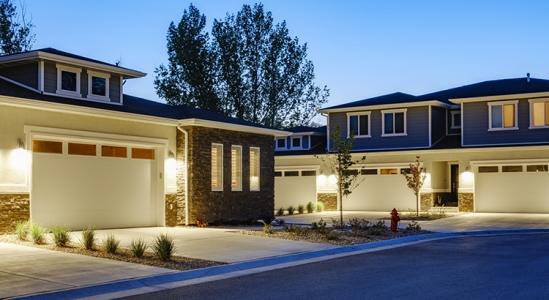
Exterior view of custom built home with exterior lighting and manicured landscaping.
One of the major story lines over the last year is how well the residential real estate market performed. One key metric in the spotlight is home price appreciation. According to the latest indices, home prices are skyrocketing this year.
Here are the latest percentages showing the year-over-year increase in home price appreciation:
The dramatic increases are seen at every price point and in all regions of the country.
Increases Are Across Every Price Point
According to the latest Home Price Index from CoreLogic, each price range is seeing at least a 19% increase year-over-year:
Increases Are Across Every Region in the Country
Every region in the country is experiencing at least a 14.9% increase in home price appreciation, according to the Federal Housing Finance Agency (FHFA):
Increases Are Across Each of the Top 20 Metros in the Country
According to the U.S. National Home Price Index from S&P Case-Shiller, every major metro is seeing at least a 13.3% growth in prices (see graph below):
What About Price Appreciation in 2022?
Prices are the result of the balance between supply and demand. The demand for single-family homes has been strong over the last 18 months. The supply of houses available for sale was near historic lows. However, there’s some good news on the supply side. Realtor.comreports:
“432,000 new listings hit the national housing market in August, an increase of 18,000 over last year.”
There will, however, still be a shortage of supply compared to demand in 2022. CoreLogicreveals:
“Given the widespread demand and considering the number of standalone homes built during the past decade, the single-family market is estimated to be undersupplied by 4.35 million units by 2022.”
Yet, most forecasts call for home price appreciation to moderate in 2022. The Home Price Expectation Survey, a survey of over 100 economists, investment strategists, and housing market analysts, calls for a 5.12% appreciation level next year. Here are the 2022 home appreciation forecasts from the four other major entities:
Price appreciation is expected to slow in 2022 when compared to the record highs of 2021. However, it is still expected to be greater than the annual average of 4.1% over the last 25 years.
Bottom Line
If you owned a home over the past year, you’ve seen your household wealth grow substantially, and you’ll see another nice boost in 2022. If you’re thinking of buying, consider buying now as prices are forecast to continue increasing through at least next year.