by The HousingCoach℠ - Matt McGrath | Dec 16, 2019
The reality of what we’re seeing this month is that homes are selling fast. In today’s strong seller’s market, bidding wars are common and expected with starter or entry-level homes.
In most areas of the country, first-time buyers have been met with fierce competition throughout their homebuying experience. Some have been out-bid multiple times before finally going into contract on a home to call their own.
Right now, inventory is the big challenge. Here’s what we know today:
According to the latest Existing Home Sales Report from the National Association of Realtors (NAR), there is currently a 3.9-month supply of homes for sale, which can drive this kind of hefty buyer competition. Remember, anything less than 6 months of inventory is a seller’s market.
Even though the month’s supply of inventory is not increasing, ironically, the number of homes for sale is. This means homes are coming up for sale, but they’re being sold quickly. The graph below shows the year-over-year change in inventory over the last 12 months.As depicted above, the percentage of available inventory has fallen for four consecutive months when compared to the previous year.
So, what does this mean? If you’re a buyer, be sure to get pre-approved for a mortgage and be ready to make a competitive offer, so you can move quickly. Chances are, homes high on your wish list are likely going to go fast.
Bottom Line
If you’re thinking of buying a home, make sure you’re taking the right steps at the beginning of the process, so you’re a top contender if you ultimately find yourself in a bidding war. Let’s get together to discuss what you need to do to make your move toward homeownership.
by The HousingCoach℠ - Matt McGrath | Dec 13, 2019
Some Highlights
- Winter is a great time to list a house, since inventory is traditionally low, and most sellers are holding off until spring to put their homes on the market.
- Waiting for warmer weather when more competition is on the market will only put your house up against many more choices for buyers.
- Get your house ready to sell now with quick and easy fixes that make a big impact.
by The HousingCoach℠ - Matt McGrath | Dec 12, 2019
Black Friday is behind us and holiday gifts are flying off the shelves in stores and online. Unlike last year, however, there’s another type of buyer that is very active this winter – the homebuyer.
Each month, ShowingTime releases their Showing Index, which tracks the average number of appointments received on active U.S. house listings. The latest index revealed:
“Traffic was more active once again compared to 2018, as the nation saw its third straight month of higher year-over-year showing activity…The 5.5% increase in showings nationwide was the largest jump in activity during the now three-month streak of year-over-year increases vs. 2018.”
The same report indicates showings increased in every region of the country:
- The South increased by 10.8%
- The West increased by 8.6%
- The Northeast increased by 3.8%
- The Midwest increased by 1.5%
Why is the traffic more active?
One of the main reasons buyer traffic has increased year-over-year is that mortgage rates have fallen dramatically. According to Freddie Mac, the average mortgage rate last December was 4.64%. Today, the rate is almost a full percentage point lower!
Bottom Line
There are first-time, move-up, and move-down buyers actively looking for the home of their dreams this winter. If you’re thinking of selling your house in 2020, you don’t need to wait until the spring to do it. Your potential buyer may be searching for a home in your neighborhood right now.
by The HousingCoach℠ - Matt McGrath | Dec 11, 2019
It may seem hard to imagine that the home you’re in today – whether it’s your starter home or just one you’ve fallen in love with along the way – might not be your forever home.
The good news is, it’s okay to admit if your house no longer fits your needs.
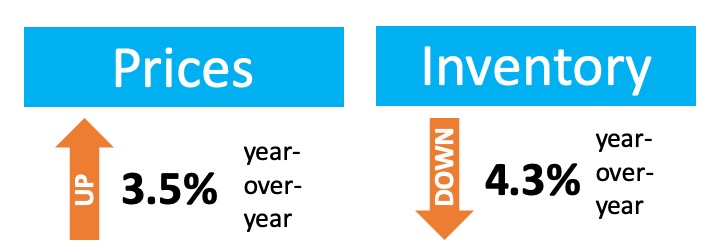
According to the latest Home Price Insights from CoreLogic, prices have appreciated 3.5% year-over-year. At the same time, the National Association of Realtors (NAR) reports inventory has dropped 4.3% from one year ago.These two statistics are directly related to one another. As inventory has decreased and demand has increased, prices have been driven up.
This is great news if you own a home and are thinking about selling. The equity in your house has likely risen as prices have increased. Even better is the fact that there’s a large pool of buyers out there searching for the American dream, and your home may be high on their wish list.
Bottom Line
If you think you’ve outgrown your home, let’s get together to discuss local market conditions and determine if now is the best time for you to sell.
by The HousingCoach℠ - Matt McGrath | Dec 10, 2019
Over the past year, mortgage rates have fallen more than a full percentage point. This is a great driver for homeownership, as today’s low rates provide consumers with some significant benefits. Here’s a look at three of them:
- Refinance: If you already own a home, you may want to decide if you’re going to refinance. It’s one way to lock in a lower monthly payment and save substantially over time, but it also means paying upfront closing costs too. You have to answer the question: Should I refinance my home?
- Move-up or Downsize: Another option is to consider moving into a new home, putting the equity you’ve likely gained in your current house toward a down payment on a new one that better meets your needs – something that’s truly a perfect fit for your family.
- Become a First-Time Homebuyer: There are many financial and non-financial benefits to owning a home, and the most important thing is to first decide when the time is right for you. You have to determine that on your own, but know that now is a great time to buy if you’re considering it. Just take a look at the cost of renting vs. buying
Why 2019 Was a Great Year for Homeownership
Last year at this time, mortgage rates were 4.63% (substantially higher than they are today). If you’re one who waited for a better time to make a move, market conditions have improved significantly. Today’s low mortgage rates combined with increasing wages are making homes much more affordable than they were just one year ago, so it’s a great time to get more for your money and consider a new home.
The chart below shows how much you would save based on today’s rates, compared to what you would have paid if you purchased a house exactly one year ago, depending on how much you finance.
Bottom Line
If you’ve been waiting since last year to make your move into homeownership, or to find a house that better meets your needs, today’s low mortgage rates may be just what you need to get the process going. Let’s get together to discuss how you can benefit from the current rates.



 As depicted above, the percentage of available inventory has fallen for four consecutive months when compared to the previous year.