Struggling To Find a Home To Buy? New Construction May Be an Option.

Struggling To Find a Home To Buy? New Construction May Be an Option.

Struggling To Find a Home To Buy? New Construction May Be an Option. | Simplifying The Market

There’s no question that the financial benefits of selling a house are outstanding today. Now is truly a great time to list if you’re ready to make a change. But if you do sell your house right now, you may be wondering where you’ll go when you move.

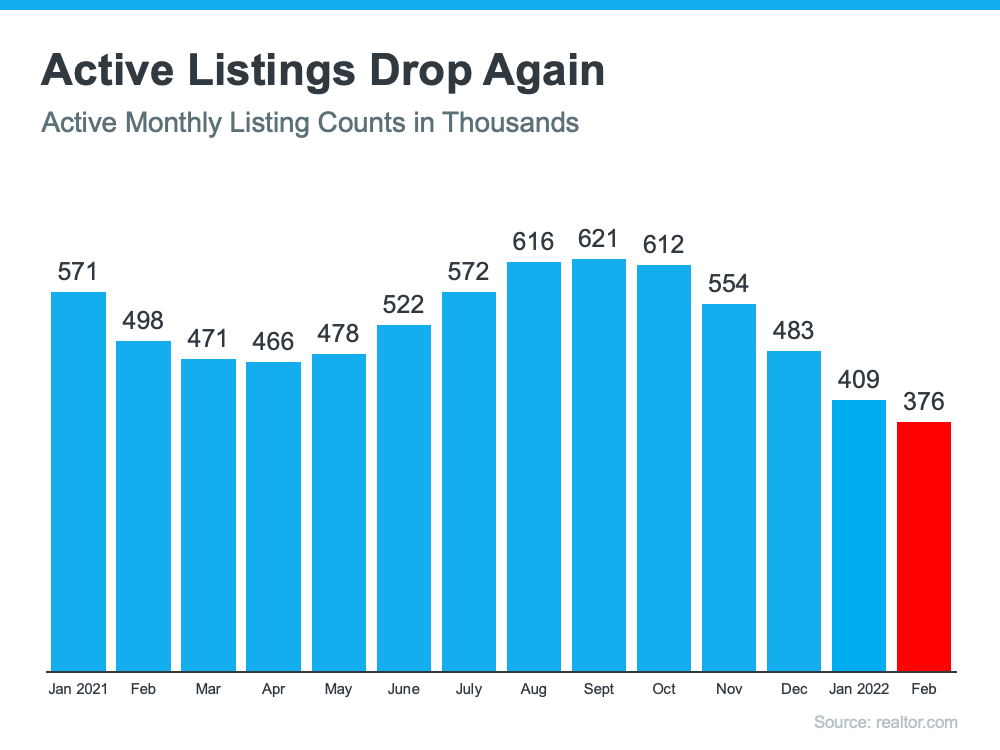
With so few homes available to buy right now, you might be considering building a new home as one of your options. But you may be unsure if that’s the way to go. Let’s compare the benefits of a newly built home versus moving into an existing one, and why working with a real estate agent throughout the process is mission-critical to your success no matter what you decide.

The Pros of Newly Built Homes

First, let’s look at the benefits of purchasing a newly constructed home. With a brand-new home, you’ll be able to:

1. Create your perfect home.

If you build a home from the ground up, you’ll have the option to select the custom features you want, including appliances, finishes, landscaping, layout, and more.

2. Cash-in on energy efficiency.

When building a home, you can choose energy-efficient options to help lower your utility costs, protect the environment, and reduce your carbon footprint.

3. Minimize the need for repairs.

Many builders offer a warranty, so you’ll have peace of mind on unlikely repairs. Plus, you won’t have as many little projects to tackle. QuickenLoans puts it like this: 

“Buying a new construction vs. existing home typically means you’ll have fewer repairs to do. It can be a huge relief to know that it’s unlikely you’ll have to repair the roof or replace the furnace.”

4. Have brand new everything.

Another perk of a new home is that nothing in the house is used. It’s all brand new and uniquely yours from day one.

The Pros of Existing Homes

Now, let’s compare that to the perks that come with buying an existing home. With a pre-existing home, you can:

1. Explore a wider variety of home styles and floorplans.

With decades of homes to choose from, you’ll have a broader range of floorplans and designs available.

2. Join an established neighborhood.

Existing homes give you the option to get to know the neighborhood, community, or traffic patterns before you commit.

3. Enjoy mature trees and landscaping.

Established neighborhoods also have more developed landscaping and trees, which can give you additional privacy and curb appeal. As Investopedia says, if you buy an existing home:

“Odds are, too, that the home will have mature landscaping, so you won’t have to worry about starting a lawn, planting shrubs, and waiting for trees to grow.”

4. Appreciate that lived-in charm.

The character of older homes is hard to reproduce. If you value timeless craftsmanship or design elements, you may prefer an existing home. According to Houseopedia:

Charm is priceless. Existing homes, especially those built in the 1950’s or before, often offer architectural elements, historic charm and a quality of craftsmanship not available in new homes.”

The choice is yours. When you start your search for the perfect home, remember that you can go either route – you just need to decide which features and benefits are most important to you. Working with the guidance of your trusted real estate advisor will help you make the most informed and educated decision, so you can move into the home of your dreams.

Bottom Line

If you have questions about the options in your area, let’s discuss what’s available and what’s right for you, so you’re ready to make your next move with confidence.

Why It Just Became Much Easier To Buy a Home

Why It Just Became Much Easier To Buy a Home

Why It Just Became Much Easier To Buy a Home | Simplifying The Market

Since the pandemic began, Americans have reevaluated the meaning of the word home. That’s led some renters to realize the many benefits of homeownership, including the feelings of security and stability and the financial benefits that come with rising home equity. At the same time, many current homeowners have decided their house no longer meets their needs, so they moved into homes with more space inside and out, including a home office for remote work.

However, not every purchaser has been able to fulfill their desire for a new home. Here are two obstacles some homebuyers are facing:

  • The ability to save for a down payment
  • The ability to qualify for a mortgage at the current lending standards

This past week, both of those challenges have been mitigated to some degree for many purchasers. The FHFA (which handles mortgages by Freddie Mac, Fannie Mae, and the Federal Housing Administration) is raising its loan limit for prospective purchasers in 2022. The term used to describe the maximum loan amount they will entertain is the Conforming Loan Limit.

What Is the Difference Between a Conforming Loan and a Non-Conforming Loan?

Investopedia explains the difference in a recent post:

“Conforming loans are the only loans that meet the requirements to be acquired by Fannie Mae and Freddie Mac. Jumbo loans, which exceed the conforming limit, are the most common type of nonconforming loan.”

What Difference Does It Make to Me as a Home Buyer?

A Forbes article earlier this year explains the benefits of a conforming loan and why they exist:

“Since lenders can’t sell non-conforming loans to Fannie Mae or Freddie Mac to free up their cash, they’re a bit riskier for the lender. This is especially true for jumbo loans, which aren’t backed by any government guarantees. If you default on a jumbo loan, it’s a huge blow to the lender.

Thus, lenders generally charge higher interest rates to compensate, and they can have even more requirements. For example, lenders who give out jumbo loans often require that you make a down payment of at least 20% and show that you have at least six months’ worth of cash in reserve, if not more.”

What Happened Last Week?

The FHFA has significantly increased its Conforming Loan Limits for 2022. Sandra L. Thompson, FHFA Acting Director, explains in the press release that:

“Compared to previous years, the 2022 Conforming Loan Limits represent a significant increase due to the historic house price appreciation over the last year. While 95 percent of U.S. countie​s will be subject to the new baseline limit of $647,200, approximately 100 counties will have conforming loan limits approaching $1 million.”

This means that more homes now qualify for a conforming loan with lower down payment requirements and easier lending standards – the two challenges holding many buyers back over the last year.

The Federal Housing Administration (FHA) also increased its Conforming Loan Limits for 2022. That could also mean an easier path to homeownership for many prospective buyers. As the Forbes article explains:

“FHA loans can be very beneficial if you don’t have as much savings, or if your credit score could use some work.”

Bottom Line

Buying your first or your next home may have just gotten much easier (less stringent qualifying standards) and less expensive (possibly lower mortgage rate). Let’s connect to discuss how these changes may impact you.

Resources:
  1. To get more information on the new FHFA Conforming Loan Limits, click here.
  2. To get more information on the new FHA Conforming Loan Limits, click here.
Tips for Single Homebuyers: How To Make Your Dream a Reality

Tips for Single Homebuyers: How To Make Your Dream a Reality

Tips for Single Homebuyers: How To Make Your Dream a Reality | Simplifying The Market

If you’re living on your own and looking to buy a home, know that you can make your dream a reality with thoughtful planning and the right team of experts. Research from Freddie Mac shows 28% of all households (36.1 million) are sole-person, and that number is growing. Over the past 40 years, the number of sole-person households has nearly doubled, and that’s a trend that’s expected to continue. According to Freddie Mac:

Our calculation suggests that there will be an additional 5 million sole-person households in the United States by the next decade. This means 42% of the household growth will be contributed by sole-person households, . . .”

If you fall into this category, here are three tips to help you achieve your homeownership goals.

1. Know Your Credit Score

When you buy a home on your own, you have to qualify for your loan based solely on your own finances and credit history. Investopedia says:

“. . . lenders will be looking at just one credit profile: yours. Needless to say, it has to be in great shape. It is always a good idea to review your credit report beforehand, and this is especially true of solo buyers.”

It’s important to find out your score so you know where it falls. If you’re not sure if it’s strong enough or where to focus your energy to improve it, meet with a professional for expert advice on your individual situation.

2. Explore Down Payment Options

Next, look into down payment programs so you can get a feel for what you’ll need to save to buy a home. Rob Chrane, CEO of Down Payment Resource, explains:

“Buyers should discuss their program options with their loan officer and real estate agent to make sure they choose the program best suited to their personal needs.”

In this step, lean on the pros to determine what you’re eligible for and what’s right for you.

3. Think About Your Future Home and Your Needs

You should also spend time thinking about what you want. What type of home do you picture yourself in? To answer that question, Quicken Loans shares this advice:

Think about your lifestyle, what you want out of your home and your needs. Is being close to work important? Do you need a lot of yard space? Do you want an extra bedroom that you can transform into a home office? Condo or detached home? Lots of space for entertaining? It’s all up to you (and your budget).”

Again, a professional can help you balance what you want and how much you should spend on your monthly housing costs to determine what type of home is right for you.

While buying a home solo can feel like a big challenge, it doesn’t have to be. If you lean on the professionals, they can help you navigate these waters and make sure you’re able to take advantage of the great opportunities in today’s housing market (like low mortgage rates) to buy your dream home.

Bottom Line

The share of sole-person households is growing. If you’re looking to buy a home on your own, be confident that the dream is achievable. When you’re ready to begin your search, let’s connect so you have expert advice each step of the way.

How To Think Strategically as a Buyer in Today’s Market

How To Think Strategically as a Buyer in Today’s Market

How To Think Strategically as a Buyer in Today’s Market | Simplifying The Market

The game of chess can provide incredible lessons to apply to all aspects of life, including the homebuying process. Chess requires you to plan and think about your strategy from the very beginning of the game.

The homebuying process, like chess, requires strategy and planning. Here are a few things to keep in mind to ensure your plan is as strong as possible when you begin your home search.

Pre-Approval: the Best Opening Play To Make as a Homebuyer

It’s important to have a great opening play when you’re buying a home. And the best move you can make when you begin your home search is getting pre-approved by a lender. You’ve probably already heard this is an important step, but what exactly is pre-approval and what benefits does it provide you?

As Freddie Mac puts it:

“The pre-approval letter from your lender tells you the maximum amount you are qualified to borrow. Getting a pre-approval letter is not a loan guarantee, it simply states how much your lender is willing to lend you. . . .”

And while determining how much you can afford at the start of your search is critical, the pre-approval letter also serves another important purpose. Freddie Mac also notes:

“This pre-approval allows you to look for a home with greater confidence and demonstrates to the seller that you are a serious buyer.”

In the game of chess, a strong opening move signals to your opponent that you’re a serious competitor. As a homebuyer, your pre-approval letter signals to the seller that you’re a serious, interested buyer.

Homebuying: It’s a Team Game, Not a Single-Player Experience

Every step you take to create your strategy as a buyer is important in today’s market. Why? Mortgage rates are still low, but increasing. Prices are going up. There’s a limited supply of homes for sale. These are just a few key variables in today’s market you need to be prepared for.

That means leaning on expert guidance as you plan every move is more important than ever. Have a team of professionals – like your trusted real estate agent and a loan officer – every step of the way to make sure you make the right moves.

Bottom Line

Getting a pre-approval letter isn’t just good strategy, it can be game-changing. It allows you to get a full understanding of what you can afford, and it signals to sellers that you’re serious. Let’s connect today to ensure you’re playing chess and being strategic during the home buying process.

Home Is Where the Heart Is More than Ever This Year

Home Is Where the Heart Is More than Ever This Year

Home Is Where the Heart Is More than Ever This Year | Simplifying The Market

There’s no denying the financial benefits of homeownership, but what’s often overlooked are the feelings of gratitude, security, pride, and comfort we get from owning a home. This year, those emotions are stronger than ever. We’ve lived through a time that has truly changed our needs and who we are, and as a result, homeownership has a whole new meaning for many of us.

According to the 2021 State of the American Homeowner report by Unison:

“Last year, staying home became a necessity and that caused many homeowners to have renewed gratitude for the roof over their head.”

As a nation, we continue to work through the challenges of a pandemic that’s pushed us all to new limits. Over the past year and a half, we’ve spent more time than ever at home: working, eating, schooling, exercising, and more. The world around us changed almost overnight, and our homes were redefined. Our needs shifted, and our shelters became a place that protected us on a whole new level. The same study from Unison notes:

  • 91% of homeowners say they feel secure, stable, or successful owning a home
  • 64% of American homeowners say living through a pandemic has made their home more important to them than ever
  • 83% of homeowners say their home has kept them safe during the COVID-19 pandemic

It’s no surprise this study also reveals that homeowners are now more emotionally attached to their homes as well:Home Is Where the Heart Is More than Ever This Year | Simplifying The MarketAs we’ve learned throughout this health crisis, homeownership can provide the safety and security we crave in a time of uncertainty. That sense of connection and emotional stability genuinely reaches beyond just the financial aspect of owning a home. As JD Esajian, President of CT Homes, LLC, says:

“Aside from the financial factors, there are several social benefits of homeownership and stable housing to consider. It has long been thought that buying a home contributes to a sense of accomplishment. Still, most individuals fail to realize that homeownership can benefit your mental health and the community around you.”

Whether you’re thinking of buying your first home, moving up to your dream home, or downsizing to something that better fits your changing lifestyle, take a moment to reflect on what Mark Fleming, Chief Economist at First American, notes:

“Buying a home is not just a financial decision. It’s also a lifestyle decision.”

Bottom Line

If you’re considering buying a home, it’s not entirely about the dollars and cents. Don’t forget to weigh the non-financial benefits that may truly change your life when you need them most.

Reasons To Hire a Real Estate Professional [INFOGRAPHIC]

Reasons To Hire a Real Estate Professional [INFOGRAPHIC]

Reasons To Hire a Real Estate Professional [INFOGRAPHIC] | Simplifying The Market

Reasons To Hire a Real Estate Professional [INFOGRAPHIC] | Simplifying The Market

Some Highlights

  • Whether you’re buying or selling, there are many perks that come from working with a real estate advisor.
  • Real estate professionals are experts at navigating all aspects of the buying and selling process, including negotiating on your behalf. We can also explain today’s market and break down what it means for you.
  • Don’t go at it alone. Let’s connect today so you have advice and an expert to count on each step of the way.

Pin It on Pinterest