Is an Accessory Dwelling Unit Right for You? Here’s What To Know

Is an Accessory Dwelling Unit Right for You? Here’s What To Know

Is an Accessory Dwelling Unit Right for You? Here’s What To Know Simplifying The Market

Are you having a hard time finding the right home in your budget? Or maybe you already own a home but could use some extra income or a designated space for aging loved ones. Either way, accessory dwelling units (ADUs) could be the smart solution you’ve been looking for in today’s market.

What Is an ADU?

According to Fannie Mae, an ADU is a small, separate living space that’s on the same lot as a single-family home. It must include its own areas for living, sleeping, cooking, and bathrooms independent of the main house. And they can take shape in a few different ways. Fannie Mae adds, an ADU can be:

  • Within a main home, such as a basement apartment
  • Attached to a main home, such as a living area over a garage
  • Detached from the home entirely; it could even be a manufactured home

The Benefits of ADUs

ADUs are growing in popularity as more people discover why they’re so practical. In fact, a recent survey shows that 24% of agents say an ADU, such as a mother-in-law house, is one of the most desired features buyers are looking for right now.

a blue and grey pie chartThe growing appeal makes sense. With rising costs all around you, an ADU can help supplement your income and ease some of the strain on your wallet. Whether you buy a home that has one already or you add one on, it gives you the option to rent out that portion of your home to help pay your mortgage.

Here are some of the other top benefits of ADUs, according to Freddie Mac and the AARP:

  • Living Close, But Still Separate: You get the best of both worlds — more quality time together, plus privacy when you want it. If that sounds like a win, it might be worth looking for a home with an ADU or adding one to your home.
  • Aging in Place: Similarly, ADUs allow older people to be close to loved ones who can help them if they need it as they age. It’s a sweet spot that offers independence and support from loved ones. For example, if your parents are getting older and you want them nearby, this could be a great option for you.
  • Built-In Childcare: If your family’s living in the ADU, you may be able to use them for childcare, which can also be a big cost savings. Plus, it gives your kids more time with their grandparents.

It’s worth noting that since an ADU exists on a single-family lot as a secondary dwelling, it typically can’t be sold separately from the primary residence. And while that’s changing in some states, regulations vary by location. So, connect with a local real estate expert for the most up-to-date guidance.

Bottom Line

In today’s market, buying a home with an ADU or adding one to your current house could be worth considering. Just be sure to talk with a real estate agent who can explain local codes and regulations for this type of housing and what’s available in your area.

What’s your motivation for exploring ADUs?

The Return to Urban Living — Why More People Are Moving Back to Cities

The Return to Urban Living — Why More People Are Moving Back to Cities

The Return to Urban Living — Why More People Are Moving Back to Cities Simplifying The Market

After years of suburban and rural migration during the pandemic, cities have been making a comeback in the past couple of years. According to the National Association of Realtors (NAR), the percentage of people moving to cities has risen to 16%. While that may not sound like a big number to you, it is the highest level in a decade – and that’s a big deal (see graph below):

And data from BrightMLS seems to confirm this trend. In a recent survey, 1 in 5 (20.6%) people looking to buy say they want to live in the city.

So, what’s behind this ongoing shift back to urban living? Let’s break down the top three reasons why people are trading quiet suburbs for bustling cityscapes. You may find out you want to sell your house with a big yard and move to an urban oasis, too.

1. Vibrant Culture

Cities have always been hubs of culture, entertainment, and community. They’re packed with energy and there are always endless things to do. During the pandemic, a lot of that excitement was put on pause. But the last couple of years? Cities are buzzing again.

There’s nothing quite like being able to walk to your favorite coffee shop, pop into a local gallery, see a live concert or show, or grab a last-minute dinner at a great spot down the street. It’s a lifestyle that’s easy to love — and one a lot of people want today.

2. Being Close to Work

Remote work is still a thing, but most companies are moving to hybrid schedules or even bringing employees back to the office. That makes living closer to work way more convenient. Whether it’s cutting down a long commute or having more chances to network in person, being close to the office is a big plus — especially for industries that thrive on face-to-face connections.

3. Easy Access To Everything You Need or Want

One of the best things about living in a city? The convenience. Public transportation, top-notch healthcare, and so much more are all within easy reach. For a lot of people, having everything nearby just makes life easier — and it’s a big reason they’re drawn to urban living.

What To Do If You Want To Move To the City

Let’s say you moved to a suburban area during the pandemic and you’re missing the excitement of living right off city streets. You’re probably thinking: how can I afford to move back into the heart of things with how mortgage rates and home prices are? Here’s how other people are doing it.

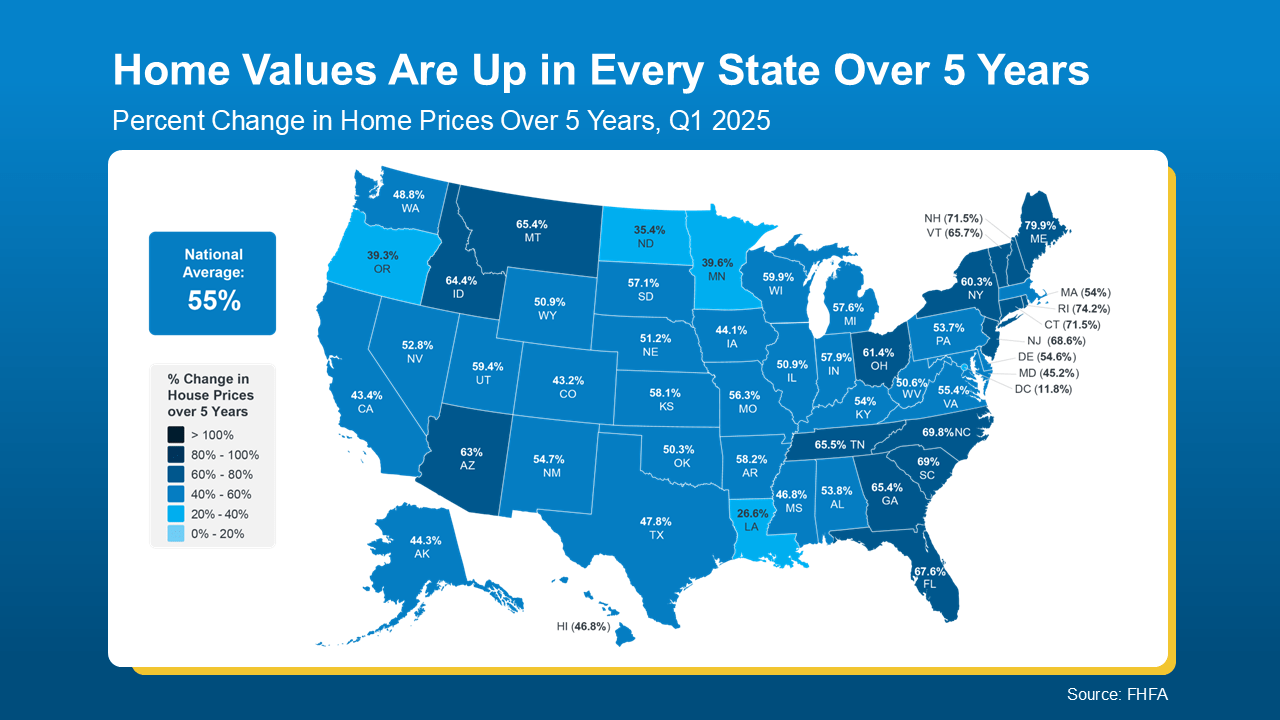
According to data from the Federal Housing Finance Agency (FHFA), home values have gone up by 57.4% in the last 5 years alone. And that means your house is probably going to sell for more than you bought it for.

If you already own a home in the suburbs, you may be able to sell that house and use the equity you get back to fuel your move. Sure, you may have to compromise and be happy with a smaller, urban space – but if it’s the lifestyle you’re craving – that trade-off is going to be worth it. To find out what’s possible and what it costs to live in an urban area, lean on a local real estate professional.

Bottom Line

The urban renaissance is real. Whether it’s the vibrant culture, being close to work, or having easy access to everything you need, cities are once again calling — and people are answering.

What’s your favorite thing about life in the city?

Connect with an agent to find a home you love where all the hustle and bustle makes life a bit more exciting.

Why You’ll Love Owning a Home

Why You’ll Love Owning a Home

Why You’ll Love Owning a Home Simplifying The Market

a screenshot of a cellphone

Some Highlights

  • Owning a home comes with many benefits, both non-financial and financial.
  • From the sense of accomplishment and freedom of expression, to growing your net worth, it’s easy to fall in love with homeownership.
  • What’s the top reason you’d love to own a home? Connect with an agent to come up with a plan that makes it possible.
Breaking Into the Market: Smart Moves for First-Time Buyers

Breaking Into the Market: Smart Moves for First-Time Buyers

Breaking Into the Market: Smart Moves for First-Time Buyers Simplifying The Market

If you’re like a lot of aspiring homebuyers, there’s a major hurdle standing in your way — the cost of living. From groceries to gas, eggs, and just about everything else, prices have gone up. And that rings true for home prices, too.

But even when everything feels expensive, there are still ways to make homeownership more than an item on your wish list. You may just need to think about where you plan to buy a bit differently.

Think of Your First Home as a Stepping Stone 

One of the biggest misconceptions among buyers is that their first home has to be their forever home – or that it has to check all the boxes of what they want right out of the gate. In reality, it’s just a starting point.

Once you own a home, you start to build equity, which grows over time as home prices rise. Down the road, if you want to move — whether to a larger space, a better location, or both — the equity you’ve gained can help you do just that.

So rather than waiting until you can afford your dream home in your ideal neighborhood, consider starting with something that works for now.

Expand Your Search To Find More Affordable Options 

If high home prices in your favorite area are holding you back, it’s time to cast a wider net. By keeping an open mind and being flexible with location, you may be surprised at what’s possible within your budget. Many buyers find success by looking in surrounding areas – and some even choose to move out of state.

According to a report from Realtor.com, these are some of the best markets for first-time homebuyers this year (see chart below):

Of course, moving to a different state isn’t for everyone – and isn’t a necessity. The right agent can help you find more cost-effective options wherever you are.

If you want to stay local, looking just outside your preferred neighborhood could help you find something you can afford that’s still pretty close to your favorite restaurants, shops, and activities. Sometimes, moving as little as 10 minutes away makes a big difference.

And the best way to see what’s available is to work with a real estate agent who understands the local market and can help you identify hidden gems nearby. An agent can point you to communities you may not have considered that have lower price tags now and are steadily gaining value and appeal. That way you can buy your first home and be set up to gain equity through the years.

Bottom Line

Today’s cost of living is a challenge for many homebuyers. But by exploring different areas and working with a knowledgeable agent, you can take that first step toward owning a home — and building equity for your future. 

How far outside of your area would you look to make homeownership happen? Connect with a local agent to chat through your options. 

A Record Percent of Buyers Are Planning To Move in 2025 – Are You?

A Record Percent of Buyers Are Planning To Move in 2025 – Are You?

A Record Percent of Buyers Are Planning To Move in 2025 – Are You? Simplifying The Market

This could be the year to sell your house – and here’s why. According to a recent NerdWallet survey, 15% of people are planning to buy a home this year. That’s actually a record high for this survey (see graph below):

a graph of blue rectangles with white textHere’s why this is such a big deal. The percentage has been hovering between 9-11% since 2020. This recent increase shows buyer demand hasn’t disappeared – if anything, it indicates there’s pent-up demand ready to come back to the market.

That doesn’t mean the floodgates are opening and that there’s going to be a huge wave of buyers like we saw a few years ago. But this does signal there’ll be more activity this year than last.

At least some of the buyers who put their plans on hold over the past few years will jump back in. Whether they’re feeling more confident about moving, they’ve finally saved up enough to buy, or they simply can’t wait any longer – this is the year they’re aiming to take the plunge.

And, according to that same NerdWallet survey, more than half (54%) of those potential buyers have already started looking at homes online.

That’s a good indicator that a number of these buyers will be looking during the peak homebuying season this spring. So, if you find the right agent to make sure your house is prepped, priced, and marketed well, you can get your house in front of them.

Bottom Line

More people are going to move this year and with the right strategy, you can make sure your house is one of the first they look at.

What do you think these buyers will love most about your house?

Connect with an agent to talk it over and make sure it’s front and center in your listing.

Home Price Growth Is Moderating – Here’s Why That’s Good for You

Home Price Growth Is Moderating – Here’s Why That’s Good for You

Home Price Growth Is Moderating – Here’s Why That’s Good for You Simplifying The Market

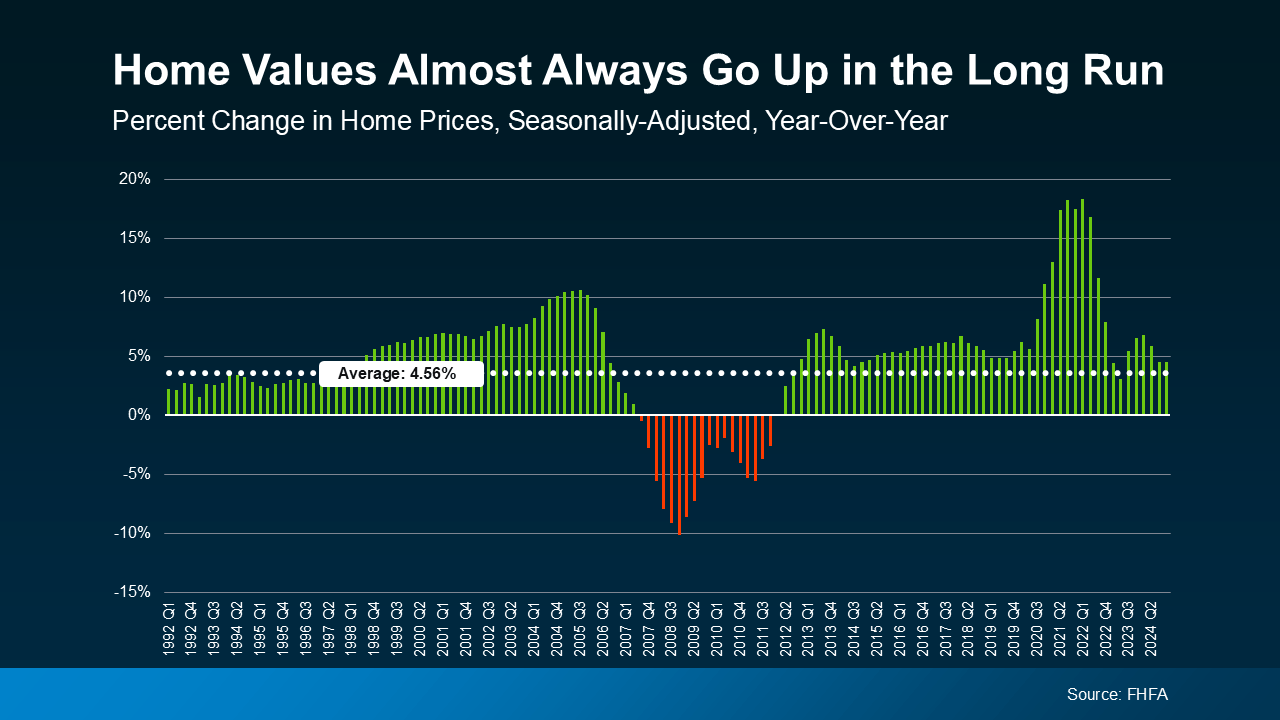
Over the past few years, home prices skyrocketed. That’s been frustrating for buyers, leaving many wondering if they’d ever get a shot at owning a home. But here’s some welcome news: that whirlwind pace of home price growth is slowing down.

Home Prices Are Rising at a Healthy Pace

At the national level, home prices are still going up, but at a much more moderate, normal pace. For example, in November, the year-over-year increase in home prices was just 3.8% nationally, according to Case-Shiller. That’s a far cry from the double-digit spikes that occurred in 2021 and 2022 (see graph below):

a graph of green and white linesThis more normal home price growth might make buying a home feel more attainable for many buyers. You won’t face the same sticker shock or rapid price jumps that made it hard to plan your purchase just a few years ago.

At the same time, steady growth means the home you buy today will likely appreciate in value over time.

Prices Vary from Market to Market

While the national story is one of moderate price growth, it’s important to remember that all real estate is local. Some markets are seeing stronger growth, while others are cooling off or even seeing slight declines. As Selma Hepp, Chief Economist at CoreLogic, notes:

“Regionally, variations persist, as some affordable areas – including smaller metros in the Midwest — remain in high demand and continue to see upward home price pressures.”

Meanwhile, other regions saw slight month-over-month declines in November, according to Federal Housing Finance Agency (FHFA) data (see graph below):

a graph of a graph showing different colored squaresWhat does this mean for you? It’s crucial to understand what’s happening in your local market. A national average can’t tell the whole story. That’s where working with a local real estate agent can really help. They have the tools and expertise to give you the full picture of what’s happening in your area and how to plan for that in your move.

Bottom Line

Home prices are growing at a more manageable pace, and working with a local real estate agent can help you navigate the ups and downs of your specific market.

How have changing home prices impacted your plans to buy? 

Pin It on Pinterest