How To Approach Rising Mortgage Rates as a Buyer

How To Approach Rising Mortgage Rates as a Buyer

How To Approach Rising Mortgage Rates as a Buyer | Simplifying The Market

In the last few weeks, the average 30-year fixed mortgage rate from Freddie Mac inched up to 5%. While that news may have you questioning the timing of your home search, the truth is, timing has never been more important. Even though you may be tempted to put your plans on hold in hopes that rates will fall, waiting will only cost you more. Mortgage rates are forecast to continue rising in the year ahead.

If you’re thinking of buying a home, here are a few things to keep in mind so you can succeed even as mortgage rates rise.

How Rising Mortgage Rates Impact You

Mortgage rates play a significant role in your home search. As rates go up, they impact how much you’ll pay in your monthly mortgage payment, which directly affects how much you can comfortably afford. Here’s an example of how even a quarter-point increase can have a big impact on your monthly payment (see chart below):

How To Approach Rising Mortgage Rates as a Buyer | Simplifying The Market

With mortgage rates on the rise, you’ve likely seen your purchasing power impacted already. Instead of delaying your plans, today’s rates should motivate you to purchase now before rates increase more. Use that motivation to energize your search and plan your next steps accordingly.

The best way to prepare is to work with a trusted real estate advisor now. An agent can connect you with a trusted lender, help you adjust your search based on your budget, and make sure you’re ready to act quickly when it’s time to make an offer.

Bottom Line

Serious buyers should approach rising rates as a motivating factor to buy sooner, not a reason to wait. Waiting will cost you more in the long run. Let’s connect today so you can better understand your budget and be prepared to buy your home even before rates climb higher.

Why Pre-Approval Is an Important Step for Today’s Homebuyers

Why Pre-Approval Is an Important Step for Today’s Homebuyers

Why Pre-Approval Is an Important Step for Today’s Homebuyers | Simplifying The Market

Being intentional and competitive are musts when buying a home this season. That’s why pre-approval is so important today. Pre-approval from a lender is the only way to know your true price range and how much money you can borrow for your loan. Peter Warden, Editor of The Mortgage Reports, explains:

“The lender will check out your personal finances and issue you a letter confirming the amount you’re eligible to borrow. This not only gives you a firm budget for house hunting, but also lets sellers know you’re qualified to make an offer.”

Why does that matter so much today? There are many more buyers looking for homes today than there are homes available for sale, and that’s creating some serious competition. According to the National Association of Realtors (NAR), the average home is getting 4.8 offers per sale. As a result, bidding wars are still common.

Your pre-approval gives you a leg up in these situations. That’s because you know exactly what you’re approved to borrow before you write your offer, and it lets the seller know you’re qualified to buy their home. This helps both you and the seller feel confident in what you’re bringing to the table. And that puts you in a better position to potentially win a bidding war.

As Warden puts it:

“There’s another important reason to get preapproved, too. And that’s because there are way more buyers than homes in today’s market — which means you need to be ultra-prepared if you want to win a bidding war. Most sellers are getting multiple offers right now. And most won’t even entertain an offer without a preapproval letter included.”

Every advantage you can gain as a buyer is crucial in a market that’s constantly changing. Mortgage rates are rising, home prices are going up, and lending institutions are regularly updating their standards. You’re going to need guidance to navigate these waters, so it’s important to have a team of professionals, such as a loan officer and a trusted real estate advisor, on your side. They’ll help make sure you’re ready to put your best foot forward.

Bottom Line

Getting pre-approved for a mortgage helps you better understand what you can afford and signals to sellers you’re serious about purchasing their home. Let’s connect so you have the tools you need to succeed as a homebuyer in today’s market.

What Is Multigenerational Housing? [INFOGRAPHIC]

What Is Multigenerational Housing? [INFOGRAPHIC]

What Is Multigenerational Housing? [INFOGRAPHIC] | Simplifying The Market

What Is Multigenerational Housing? [INFOGRAPHIC] | Simplifying The Market

Some Highlights

  • If you have additional loved ones coming to live with you but don’t have enough space, it may be time to consider a larger, multigenerational home.
  • Some key benefits of multigenerational living include a combined homebuying budget, shared caregiving duties, enhanced relationships, and more. These benefits might be why more people are choosing to live in multigenerational homes today.
  • Let’s connect so you can find a house that meets your changing needs and has plenty of space for you and your loved ones.
On the Fence of Whether or Not To Move This Spring? Consider This.

On the Fence of Whether or Not To Move This Spring? Consider This.

On the Fence of Whether or Not To Move This Spring? Consider This. | Simplifying The Market

If you’re thinking of selling your house, it may be because you’ve heard prices are rising, listings are going fast, and sellers are getting multiple offers on their homes. But why are conditions so good for sellers today? And what can you expect when you move? To help answer both of those questions, let’s turn to the data.

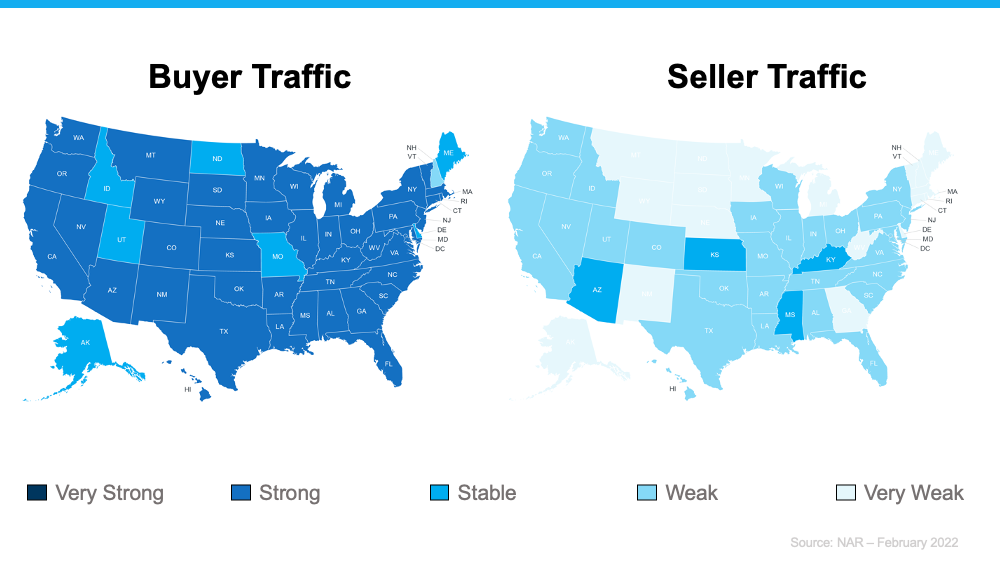
Today, there are far more buyers looking for homes than sellers listing their houses. Here are the maps of the latest buyer and seller traffic from the National Association of Realtors (NAR) to help paint the picture of what this looks like:

On the Fence of Whether or Not To Move This Spring? Consider This. | Simplifying The Market

Notice how much darker the blues are on the left. This shows buyer traffic is strong today. In contrast, the much lighter blues on the right indicate weak or very weak seller traffic. In a nutshell, the demand for homes is significantly greater than what’s available to purchase.

What That Means for You

You have an incredible advantage when you sell your house under these conditions. Since buyer demand is so high at a time when seller traffic is so low, there’s a good chance buyers will be competing for your house.

According to NAR, in February, the average home sold got 4.8 offers. When buyers have to compete with one another like this, they’ll do everything they can to make their offer stand out. This could play to your favor and mean you’ll see things like waived contingencies, offers over asking price, earnest money deposits, and more. Selling when demand is high and supply is low sets you up for a big win.

If you’re also looking to buy a house, you may be tempted to focus more on just the seller traffic map and wonder if it means you’ll have trouble finding your next home. But remember this: perspective is key. As Danielle Hale, Chief Economist at realtor.com, says:

The limited number of homes for sale is a lesson in perspective. This same stat that frustrates would-be homebuyers also means that today’s home sellers enjoy more limited competition than last year’s home sellers.”

If you look at the big picture, the opportunity you have as a seller today is unprecedented. Last year was a hot sellers’ market. This year, inventory is even lower, and that means an even bigger opportunity for you. Even though finding your next home in a market with low inventory can be challenging, is that concern worth passing on some of the best conditions sellers have ever seen?

As added peace of mind, remember real estate professionals have been juggling this imbalance of supply and demand for nearly two years, and they know how to help both buyers and sellers find success when they move. A skilled agent can help you capitalize on the great opportunity you have as a seller today and guide you through the buying process until you find the perfect place to call your next home.

Bottom Line

If you’re ready to move, you have an incredible opportunity in front of you today. Trust the experts. Let’s connect so you have expertise on your side that can help you win when you sell and when you buy.

Using Your Tax Refund To Achieve Your Homeownership Goals This Year

Using Your Tax Refund To Achieve Your Homeownership Goals This Year

Using Your Tax Refund To Achieve Your Homeownership Goals This Year | Simplifying The Market

If you’re buying or selling a home this year, you’re likely saving up for a variety of expenses. For buyers, that might include things like your down payment and closing costs. And for sellers, you’re probably working on a bit of spring cleaning and maintenance to spruce up your house before you list it.

Either way, any money you get back from your taxes can help you achieve your goals. Using a tax refund is a common tactic for buyers and sellers. SmartAsset estimates the average American will receive a $2,897 tax refund this year. The map below provides a more detailed estimate by state:

Using Your Tax Refund To Achieve Your Homeownership Goals This Year | Simplifying The Market

If you’re getting a refund this year, here are a few tips to help with your home purchase or sale this season.

How Buyers Can Use Their Tax Refund

According to American Financing, there are multiple ways your refund check can help you as a homebuyer. A few include:

  • Growing your down payment fund – If you haven’t started saving for your down payment, let your tax refund kick off the process. And if you have a fund already, the money you get back could put you closer to your goal.
  • Paying for your home inspection – Your home inspection can save you a lot of headaches down the road by helping you determine the condition of the house. As a buyer, you’ll typically be responsible for paying for your inspection, and it’s definitely worth the investment.
  • Saving for closing costsClosing costs are additional expenses you’ll need to pay once it’s time to close. They average anywhere between 2-5% of the purchase price of your home.

This list is a great start, but it isn’t exhaustive of all the costs you may encounter as you set out on your homebuying journey. The best way to prepare is to work with a trusted real estate professional to make sure you understand what’s to come in the process.

How Sellers Can Use Their Tax Refund

If you own a home and are planning to sell this spring, your tax refund can help you make sure your home is ready to list. Here are a few ways current homeowners can put their tax refund to good use:

  • Making small upgrades NerdWallet provides a list of great ways to use your tax refund, including tackling small projects or boosting your curb appeal to help your home stand out.
  • Making repairs – If there’s anything in your house that needs to be fixed, American Financing notes that completing repairs is another great use of that money.
  • Buying your next home – Whether you’re selling to move up or downsize, you can use your tax refund to help pay for any costs on the purchase of your next home.

Of course, it’s important to talk with your trusted real estate advisor before taking on any projects. They’ll make sure you can focus on areas that’ll help you receive the best possible price when you sell.

Bottom Line

Funding your home purchase or sale can feel like a daunting task, but it doesn’t have to be. Your tax refund can help you reach your goals. Let’s connect to discuss how you can start on your journey.

Do You Know How Much Equity You Have in Your Home? [INFOGRAPHIC]

Do You Know How Much Equity You Have in Your Home? [INFOGRAPHIC]

Do You Know How Much Equity You Have in Your Home? [INFOGRAPHIC] | Simplifying The Market

Do You Know How Much Equity You Have in Your Home? [INFOGRAPHIC] | Simplifying The Market

Some Highlights

  • If you’re a homeowner, your net worth has gotten a big boost. That’s because recent home price appreciation has increased your equity.
  • Your equity grows as you pay down your loan and as your home increases in value. Over the past year, the average homeowner’s equity grew by $55,300.
  • Ready to sell? Let’s connect to talk about how you can use that equity to fuel your next move.

Pin It on Pinterest