Does Your House Have What Buyers Want?

Does Your House Have What Buyers Want?

Does Your House Have What Buyers Want? | Simplifying The Market

The rise in remote work is changing what many Americans want in their homes. Many companies are choosing to delay reopening or go remote full-time, and today’s buyers are looking for homes with more space to support their work needs.

As a seller, if you no longer need the extra room you have in your home, rest assured there are buyers who do.

Remote Work Is Here To Stay

Remote work remains a reality for many Americans. A recent poll from Garter, Inc. shows many organizations have not yet returned their offices:

“. . . 66% of organizations are delaying reopening their offices due to new COVID-19 variants.”

And it’s not just companies that are choosing to remain remote for the time being – workers are seeking more flexibility. According to research from PricewaterhouseCoopers, nearly one-fifth of employees want to be fully remote in the future. The study also finds that many people are leaving jobs to seek out remote work opportunities:

“Among employees looking for new jobs, almost one in ten say it’s because they moved away from the office while working remotely and don’t want to go back on-site.”

More Remote Work Means a Greater Need for Home Offices

That’s leading today’s buyers to prioritize finding homes with more space so they can comfortably work from home. The 2021 Home Design Trends Survey from the American Institute of Architects finds that 69% of surveyed individuals still want at least one office at home. However, it also shows that more people are looking for multiple spaces in their home for remote work and virtual meetings (see graph below):Does Your House Have What Buyers Want? | Simplifying The Market

What Does This Mean for You?

If your house has extra space that you no longer need, buyers are interested, and now may be the perfect time to sell.

Your trusted real estate advisor can help you highlight many of the most sought-after features in your listing, including home offices. On the other hand, if you have extra room without a purpose, consider staging it as an area where remote work can happen. Your agent can help you with this as well by evaluating and preparing your space for potential buyers. They’ll make recommendations for how to stage the room, where to draw the eye, and what other sellers are doing to make their houses stand out.

Bottom Line

With the continued rise in remote work, more buyers are looking for homes that can support multiple home offices. If you have extra room you’re no longer using, consider selling. Let’s connect today to discuss the unique features in your house and how you can capitalize on any extra space to appeal to today’s buyers.
There Are More Homes Available Now than There Were This Spring

There Are More Homes Available Now than There Were This Spring

There Are More Homes Available Now than There Were This Spring | Simplifying The Market

There’s a lot of talk lately about how challenging it can be to find a home to buy. While housing inventory is still low, there are a few important things to understand about the supply of homes for sale as we move into the end of the year.

The Number of Homes for Sale Usually Peaks in the Fall

In the residential real estate market, trends generally follow a predictable and seasonal pattern. Typically, the number of homes available for sale (or active monthly listings) peaks in the fall. But in a chapter where so little feels normal, the question becomes: should we expect a fall peak this year?

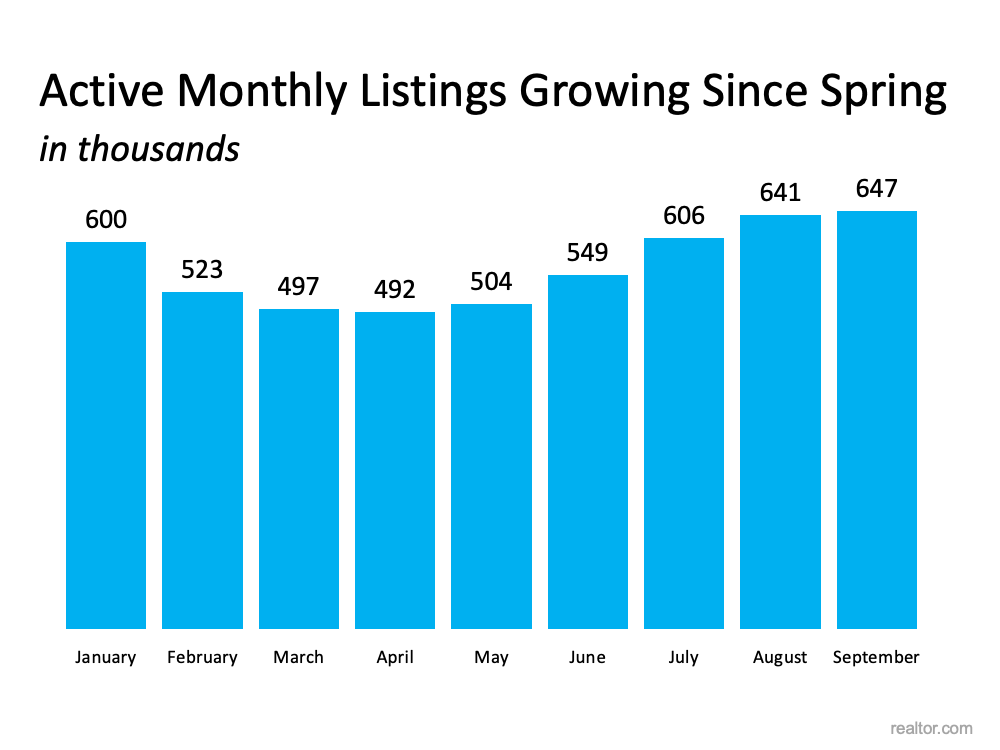
If we look at the active monthly listings for 2021 (shown in the chart below), we’ll see that the number of homes on the market has increased fairly steadily since spring this year. The realtor.com data shows we’re still seeing an increase in active inventory month-over-month. While that gain is a bit smaller month-to-month (see August to September in the chart), September numbers are still up from the month prior.There Are More Homes Available Now than There Were This Spring | Simplifying The MarketThe important takeaway here is the latest monthly numbers show growth. At the end of September, buyers had more options to pick from than they did this spring. That’s encouraging for buyers who may have paused their search months ago because they had trouble finding a home. Danielle Hale, Chief Economist at realtor.com, sums this up nicely:

“Put simply, this September buyers had more options than they’ve had all year and while that’s typical of early fall, that’s not what happened in 2020. Still, it’s important to remember that while buyers may have an easier time this fall than they did in the spring, the market remains more competitive than it has been historically at this time of year.” 

As Hale says, a fall peak in inventory is in line with typical seasonal trends. While it’s impossible to say for certain what the future holds for housing inventory, we do know both buyers and sellers have opportunities this season based on the latest data.

What Does That Mean for You?

If you’re thinking of buying a home, rest assured you do have more options now than you did earlier this year – and that’s a welcome relief. That said, today’s market is still highly competitive. This isn’t the time to slow your search. It’s actually the season when the number of homes available for sale tends to peak. Focus on the additional options with renewed energy this season and be prepared for ongoing competition from other buyers.

If you’re considering selling your house, realize that while growing, inventory is still low. Selling now means you’ll be in a great position to negotiate with buyers – and competition among buyers is good news for your bottom line. Eager buyers will likely be motivated to act before the holidays, giving you the benefit of a fast sale.

Bottom Line

Whether you’re buying or selling, there’s still a chance to make your goals a reality this season. Let’s connect so we can discuss what’s going on with the local market and current trends and what they mean for you.

Your Home Equity Is Growing [INFOGRAPHIC]

Your Home Equity Is Growing [INFOGRAPHIC]

Your Home Equity Is Growing [INFOGRAPHIC] | Simplifying The Market

Your Home Equity Is Growing [INFOGRAPHIC] | Simplifying The Market

Some Highlights

  • If you’re a homeowner, today’s rising equity is great news. On average, homeowners have gained $51,500 in equity since this time last year.
  • Whether it’s funding an education, fueling your next move, or starting a business, your home equity is a great tool you can use to power your dreams.
  • Ready to sell? Let’s connect to talk about how you can take advantage of your rising equity to reach your goals.
Looking To Move? It Could Be Time To Build Your Dream Home.

Looking To Move? It Could Be Time To Build Your Dream Home.

Looking To Move? It Could Be Time To Build Your Dream Home. | Simplifying The Market

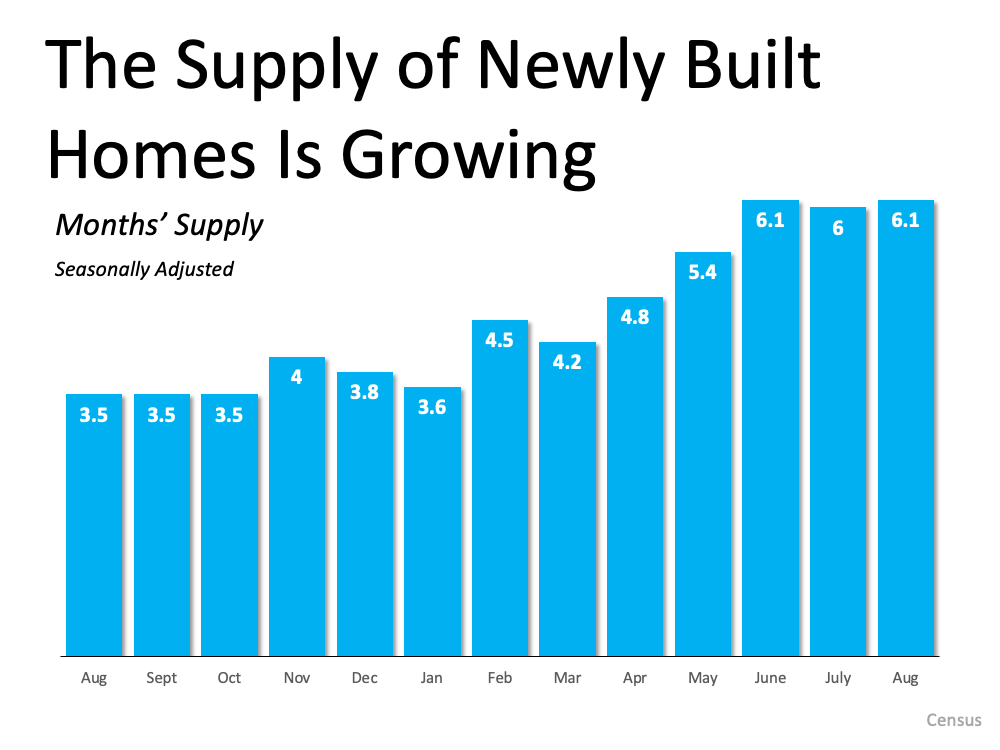
While today’s supply of homes for sale is still low, the number of newly built homes is increasing. If you’re ready to sell but have held off because you weren’t sure you’d be able to find a home to move into, newly built homes and those under construction can provide the options you’ve been waiting for.

The latest Census data shows the inventory of new homes is increasing this year (see graph below):Looking To Move? It Could Be Time To Build Your Dream Home. | Simplifying The MarketWith more new homes coming to the market, this means you’ll have more options to choose from if you’re ready to buy. Of course, if you do consider a newly built home, you’ll want to keep timing in mind. The supply shown in the graph above includes homes at various stages of the construction process – some are near completion while others may be months away.

According to Robert Dietz, Chief Economist and Senior VP for Economics and Housing Policy for the National Association of Home Builders (NAHB):

28% of new home inventory consists of homes that have not started construction, compared to 21% a year ago.”

Buying a home near completion is great if you’re ready to move. Alternatively, a home that has yet to break ground might benefit you if you’re ready to sell and you aren’t on a strict timeline. You’ll have an even greater opportunity to design your future home to suit your needs. No matter what, your trusted real estate advisor can help you find a home that works for you.

Bottom Line

If you want to take advantage of today’s sellers’ market, but you’re not sure if you’ll be able to find a home to move into, consider a newly built home. Let’s connect today so you have a trusted real estate advisor to guide you through the sale of your house and discuss your homebuying options.

What Does the Future Hold for Home Prices?

What Does the Future Hold for Home Prices?

What Does the Future Hold for Home Prices? | Simplifying The Market

If you’re looking to buy or sell a house, chances are you’ve heard talk about today’s rising home prices. And while this increase in home values is great news for sellers, you may be wondering what the future holds. Will prices continue to rise with time, or should you expect them to fall?

To answer that question, let’s first understand a few terms you may be hearing right now.

It’s important to note home prices have increased, or appreciated, for 114 straight months. To find out if that trend may continue, look to the experts. Pulsenomics surveyed over 100 economists, investment strategists, and housing market analysts asking for their five-year projections. In terms of what lies ahead, experts say the market may see some slight deceleration, but not depreciation.

Here’s the forecast for the next few years:What Does the Future Hold for Home Prices? | Simplifying The MarketAs the graph above shows, prices are expected to continue to rise, just not at the same pace we’ve seen over the last year. Over 100 experts agree, there is no expectation for price depreciation. As the arrows indicate, each number is an increase, which means prices will rise each year.

Bill McBride, author of the blog Calculated Risk, also expects deceleration, but not depreciation:

“My sense is the Case-Shiller National annual growth rate of 19.7% is probably close to a peak, and that year-over-year price increases will slow later this year.”

Ivy Zelman of Zelman & Associates agrees, saying:

“. . . home price appreciation is on the cusp of flipping to a decelerating trend.”

A recent article from realtor.com indicates you should expect:

“. . . annual price increases will slow to a more normal level, . . .”

What Does This Deceleration Mean for You?

What experts are projecting for the years ahead is more in line with the historical norm for appreciation. According to data from Black Knight, the average annual appreciation from 1995-2020 is 4.1%. As you can see from the chart above, the expert forecasts are closer to that pace, which means you should see appreciation at a level that’s aligned with a more normal year.

If you’re a buyer, don’t expect a sudden or drastic drop in home prices – experts say it won’t happen. Instead, think about your homeownership goals and consider purchasing a home before prices rise further.

If you’re a seller, the continued home price appreciation is good news for the value of your house. Work with an agent to list your house for the right price based on market conditions.

Bottom Line

Experts expect price deceleration, not price depreciation over the coming years. Let’s connect to talk through what’s happening in the housing market today, where things are headed, and what it means for you.

Ready To Sell, but Don’t Know Where You’ll Go? [INFOGRAPHIC]

Ready To Sell, but Don’t Know Where You’ll Go? [INFOGRAPHIC]

Some Highlights

  • If you’re thinking of selling your house but don’t know what you should buy, you have options.
  • Existing homes offer a wide variety of home styles, an established neighborhood, and lived-in charm. Meanwhile, new home construction lets you create your perfect home, cash in on energy efficiency, and minimize repairs.
  • Whether you’re looking for newly built or existing homes, both have their perks. If you’re ready to sell your house, let’s connect today to go over the perks of both existing and newly built homes to find out what’s right for you.

Pin It on Pinterest