The Perks of Buying a Fixer-Upper

The Perks of Buying a Fixer-Upper

The Perks of Buying a Fixer-Upper Simplifying The Market

There’s no denying affordability is tough right now. But that doesn’t mean you have to put your plans to buy a home on the back burner.

If you’re willing to roll up your sleeves (or hire someone who will), buying a house that needs some work could open the door to homeownership. Here’s everything you need to know so you can decide if this is the right move for you.

What’s a Fixer-Upper?

A fixer-upper is a home that’s livable but requires some renovations. Think cosmetic updates like wallpaper removal and new flooring or more extensive repairs like replacing a roof or updating plumbing.

While fixer-uppers need a little TLC, here’s why they may be worth considering, especially right now:

  1. They Usually Have a Lower Price Point. Because of the repairs involved, these homes are usually less expensive up front than move-in-ready options. According to a survey from StorageCafe, fixer-uppers come with price tags that are about 29% lower, making them a solid choice if you’re having trouble finding anything in your budget.
  2. Less Competition. When you’re ready to make an offer, you’re less likely to deal with competition from other buyers who are focused on move-in-ready homes.
  3. Build Equity Faster. From choosing how to redo the floors to picking which cabinets you want in the kitchen, a fixer-upper allows you to design a space that fits your needs and style. And with smart renovations, you can increase your home’s value faster and potentially see a big return on your investment.

As The Mortgage Reports notes:

“If you’re a house hunter who’s not afraid of sweat equity, buying a fixer-upper could be your ticket to homeownership. Doing so could lead to big savings, even in some of the nation’s largest and most popular housing markets. Plus, adding the right features could help your investment.”

What To Know About Buying a Fixer-Upper

The possibilities that come with a fixer-upper are exciting, but there are a few things to think about first.

  • Do You Have a Gameplan? Consider if you have the time, skills, or budget to tackle renovations. Be honest about what you can handle yourself, what you’ll need to hire out, and if a fixer-upper is truly a good fit for your lifestyle. Remember, you’ll likely be living in a construction zone at least for a little while.
  • Prioritize the Repairs and Upgrades: Don’t stress yourself out thinking you’ve got to do all the work up front. Space out renovations over time in a way that makes sense for your budget and what’s most important to tackle first.
  • Location Matters: You want the money you’re spending to fix up a house to be worth the investment. So, make sure the home is in an area with increasing home values and amenities locals love, like parks and restaurants.
  • Get a Home Inspection: Hiring an inspector to do a thorough inspection before you buy is a must. What they find will help you understand what needs to be updated, renovation costs, and if it’s a project you want to take on.
  • Budget for Surprises: Renovations rarely go as planned. So, be sure to set aside extra money to cover things like extended repair timelines, an increase in the cost of materials, or other unknowns that may come up.

Talk to a Lender About Financing Options: There are some renovation mortgages designed for homes that need a little work. But they may have requirements like spending and timeline limits, so talk to a trusted lender to understand the fine print.

Bottom Line

Fixer-uppers aren’t for everyone, but if you’re open to doing a bit of work, they can be a great way to overcome today’s affordability hurdles and find something in your budget. With the right mindset and careful planning, you could turn a less-than-perfect house into the perfect home for you.

So, if you’re considering taking the plunge, talk to a real estate agent about finding a fixer-upper that fits your budget and goals. 
Buyer Bright Spot: There Are More Homes on the Market

Buyer Bright Spot: There Are More Homes on the Market

Buyer Bright Spot: There Are More Homes on the Market Simplifying The Market

The past few years have been challenging for homebuyers, especially with higher home prices and mortgage rates. And if you’re trying to buy a home, it’s easy to worry you won’t be able to find something in your budget.

But here’s what you need to know. The number of homes for sale has grown a whole lot lately and that’s true for both existing (previously lived-in) and newly built homes. Here’s a look at those two bright spots for buyers right now and why they may make it a bit easier to find the home you’re been looking for.

1. There Are 22% More Existing Homes for Sale

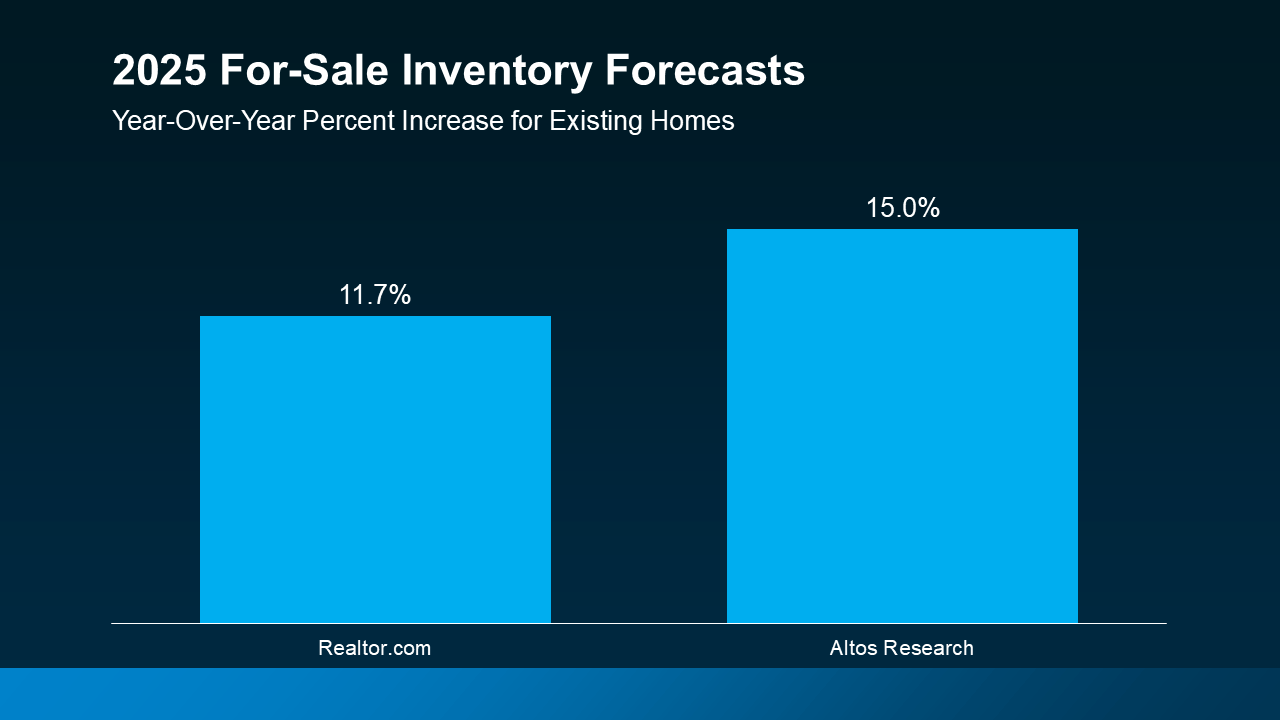
Data from Realtor.com says the number of existing homes for sale improved by an impressive 22% in 2024. And experts say your pool of options is expected to get even better this year. Forecasts show inventory is projected to grow another 11-15% by the end of this year (see graph below):

a graph of sales in inventoryHere’s why this is so good for your search. If you haven’t seen a house with all the features you need, just know that, as the number of homes for sale grows, you’ll have more options to choose from. That means a better chance of finding a home that checks all your boxes. As Ralph McLaughlin, Senior Economist at Realtor.com, says:

It could be a particularly good time to get out into the market . . . you’re going to have more choice. And that’s not something that buyers have really had much over the past several years.”

2. There Are More Newly Built Homes on the Market

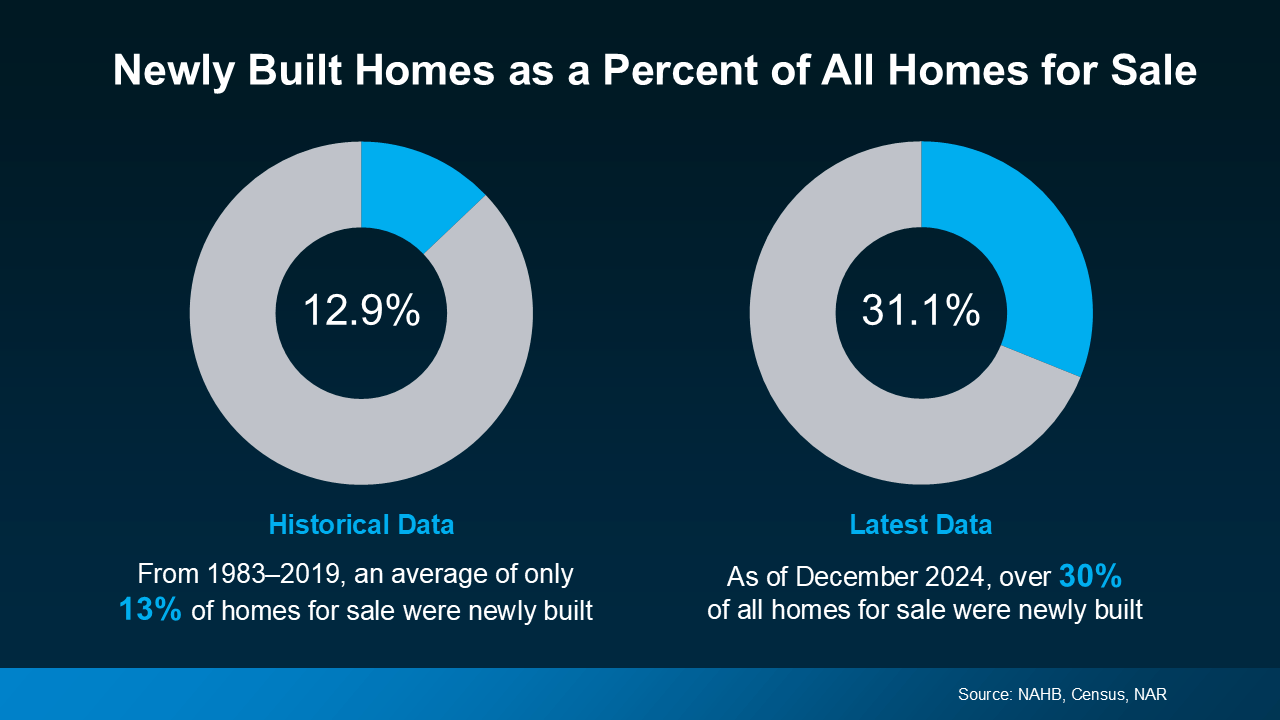
According to data from the Census and the National Association of Realtors (NAR), 31.1%, or roughly 1 in 3, homes on the market right now are newly built homes. That’s more than the norm (see charts below). But don’t worry, that’s not because builders are overdoing it – it’s just that they’re trying to catch up after years of underbuilding.

a graph of a pie chartAnd the best part is, since builders have been focusing on smaller homes with lower price points, you may actually find out new builds are less expensive than you’d expect. So, while a lot of people write off new construction because it’s easy to assume the costs are way higher, lately, that price gap isn’t as big as you’d think. As CNET says:

“If you live in an area where there’s a lot of new construction happening . . . you might be able to purchase a new house for a price similar to or even less than a pre-owned one.”

If you haven’t been able to find a home that’s in your budget, it’s time to ask your agent about new builds. If you don’t, you may have been cutting your pool of options by about a third.

Bottom Line

More choices could be the key to unlocking your homebuying goals in 2025. Talk to a local agent if you want to see what’s available in your area.

What features are you looking for in your next home? Let an agent know so they can put together a list of homes you’d love.

The Real Benefits of Buying a Home This Year

The Real Benefits of Buying a Home This Year

The Real Benefits of Buying a Home This Year Simplifying The Market

Have you been wondering whether you should keep renting or finally make the leap into homeownership? It’s a big decision, and let’s be real — renting can feel like the easier option, especially if buying a home feels out of reach.

But here’s the thing: a recent report from Bank of America highlights that 70% of prospective buyers fear the long-term consequences of renting, including not building equity and dealing with rising rents.

Maybe you’re feeling that too — concerned about where renting might leave you down the road, but still unsure if you’d even be able to buy right now. The truth is, if you’re able to make the numbers work, buying a home has powerful long-term financial benefits.

Let’s break down why homeownership is worth considering in 2025 and beyond, and how it can help set you up for the future.

Buying Builds Wealth Over Time

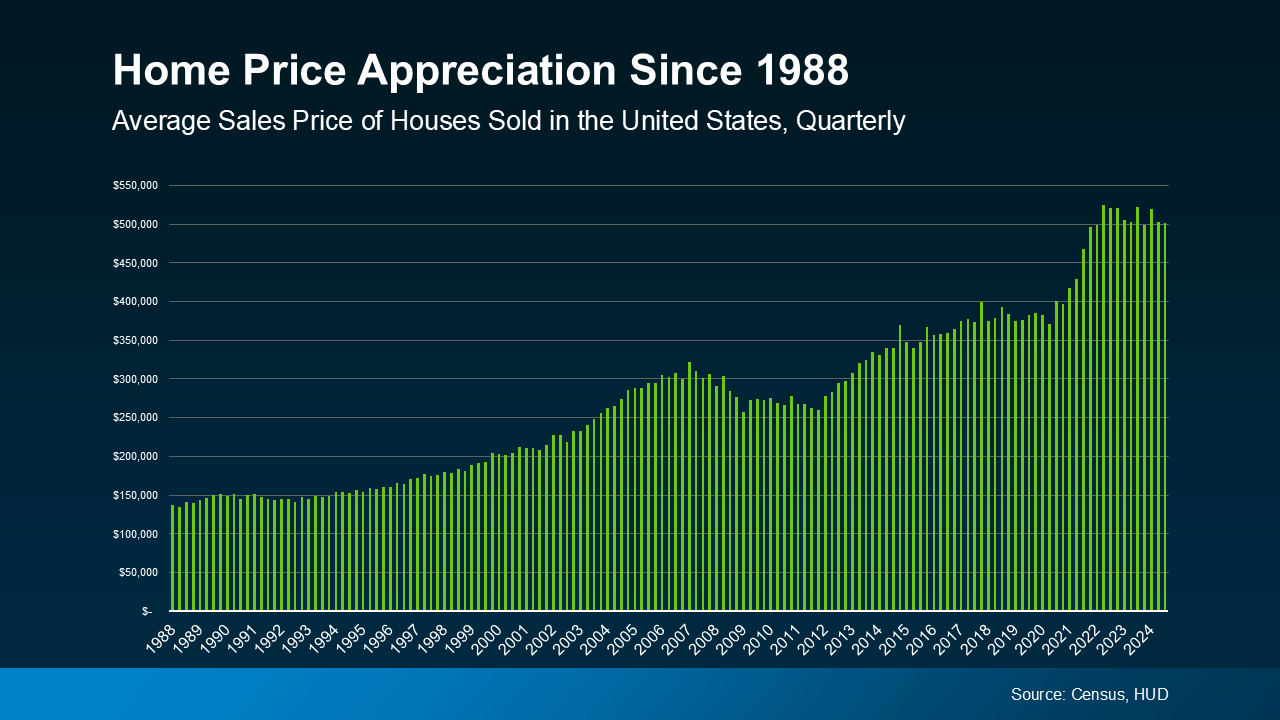
Buying a home allows you to turn your monthly housing costs into a long-term investment. That’s because, as shown in data from the Census and the Department of Housing and Urban Development (HUD), home prices tend to increase over time (see graph below):

a graph of a price of houses sold in the united statesRising home prices directly benefit homeowners. That’s because when you own a home, you build equity — meaning your ownership stake in your home grows as you pay down your mortgage and your home’s value appreciates. And that, in turn, makes your net worth grow too.

Maybe that’s why, according to the National Association of Realtors (NAR), 79% of buyers believe owning a home is a good financial investment.

Renting Comes with Rising Costs

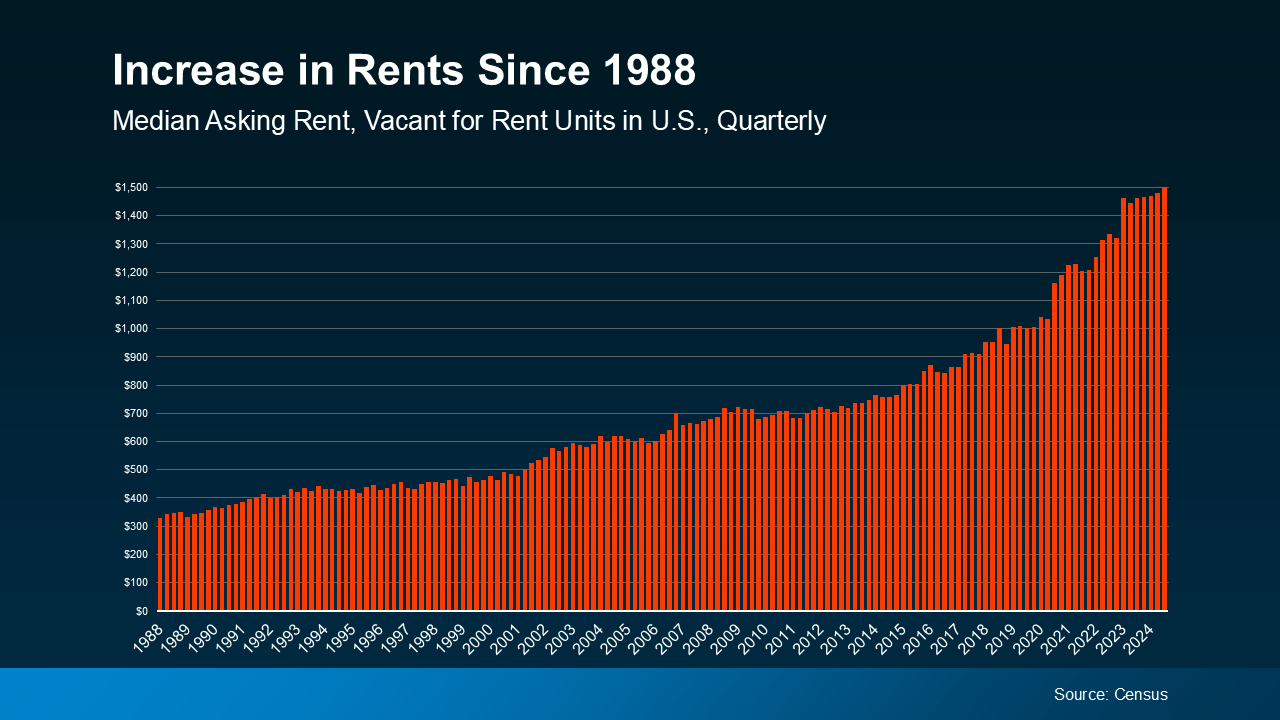
Renting may feel more affordable in the short term, especially right now with today’s home prices and mortgage rates. But the reality is, over time, rent almost always goes up too. Take a look at the data and you can see that play out. According to Census data, rents have significantly increased over the decades (see graph below):

a graph of a number of peopleThis means if you decide to rent, you’ll likely face growing expenses each time you renew or sign a new lease – and that’ll happen without building any wealth in return. Plus, those rising costs may make it harder to save up to buy a home down the road.

Renting vs. Buying: The Long-Term Impact

When you own a home, your payments are an investment in your future. Renting, on the other hand, means your money is gone for good — it helps your landlord build equity, not you.

Renting works for those not ready (or able) to buy today. But if you are able to make the numbers work, buying a home builds equity and sets you up for long-term financial success. So, even though renting may seem easier now, it can’t match the benefits of homeownership.

Bottom Line

If you can afford it, take control of your financial future by making homeownership part of your plan. It’s an investment you won’t regret.

Do you want to see what starter homes are available in your market? Connect with a local real estate agent today to explore your options.

Two Resources That Can Help You Buy a Home Right Now

Two Resources That Can Help You Buy a Home Right Now

Two Resources That Can Help You Buy a Home Right Now Simplifying The Market

A recent report from Realtor.com says 20% of Americans don’t think homeownership is achievable. Maybe you feel the same way. With inflation driving up day-to-day expenses, saving enough to buy your first home is more of a challenge. But here’s the thing. With the right resources and help, you can still make it happen.

There are options that can help make buying a home possible today — even if your savings are limited or your credit isn’t perfect. Let’s explore just two of the solutions that could help get you into your first home no matter the market.

1. FHA Loans

If your down payment savings and your credit score aren’t where you want them to be, an FHA loan could be your pathway to buying a home. According to the U.S. Department of Housing and Urban Development (HUD) and Bankrate, the big perks of an FHA home loan are:

  • Lower Down Payments: They typically require a smaller down payment than conventional loans, sometimes as low as 3.5% of the home’s purchase price.
  • Lower Credit Score Requirements: They’re designed to help buyers with credit scores that might not qualify for conventional financing. This means, when conventional loans aren’t an option, you may still be able to get an FHA loan.

The first step is to connect with a lender who can help you explore your options and determine if you qualify.

2. Homeownership Assistance Programs

And if you need a more budget-friendly down payment, that’s not your only option. Did you know there are over 2,000 homeownership assistance programs available across the U.S. according to Down Payment Resource? And more than 75% of these programs are designed to help buyers with their down payment. Here’s a bit more information about why these could be such powerful tools for you:

  • Financial Support: The average benefit for buyers who qualify for down payment assistance is $17,000. And that’s not a small number.
  • Stackable Benefits: To make it even better, in some cases, you may be able to qualify for multiple programs at once, giving your down payment an even bigger boost.

Rob Chrane, CEO of Down Payment Resource confirms a little-known fact:

“Some of these programs can be layered. And so, in other words, you may not be limited to just one program.

If you want to learn more or see what you qualify for, be sure to lean on the pros. A trusted real estate agent and a lender can guide you through the process, explain the help that’s out there, and connect you with resources to make buying a home a reality.

Bottom Line

If you’re ready to stop wondering if buying a home is possible and start exploring solutions, connect with an expert agent and trusted lender. 

3 Reasons To Buy a Home Before Spring

3 Reasons To Buy a Home Before Spring

3 Reasons To Buy a Home Before Spring Simplifying The Market

Let’s face it — buying a home can feel like a challenge with today’s mortgage rates. You might even be thinking, “Should I just wait until spring when more homes hit the market and rates might be lower?”

But here’s the thing, no one knows for sure where mortgage rates will go from here, and waiting could mean facing more competition, higher prices, and a lot more stress.

What if buying now — before the spring rush — might actually give you the upper hand? Here are three reasons why that just might be the case.

1. Less Competition from Other Buyers

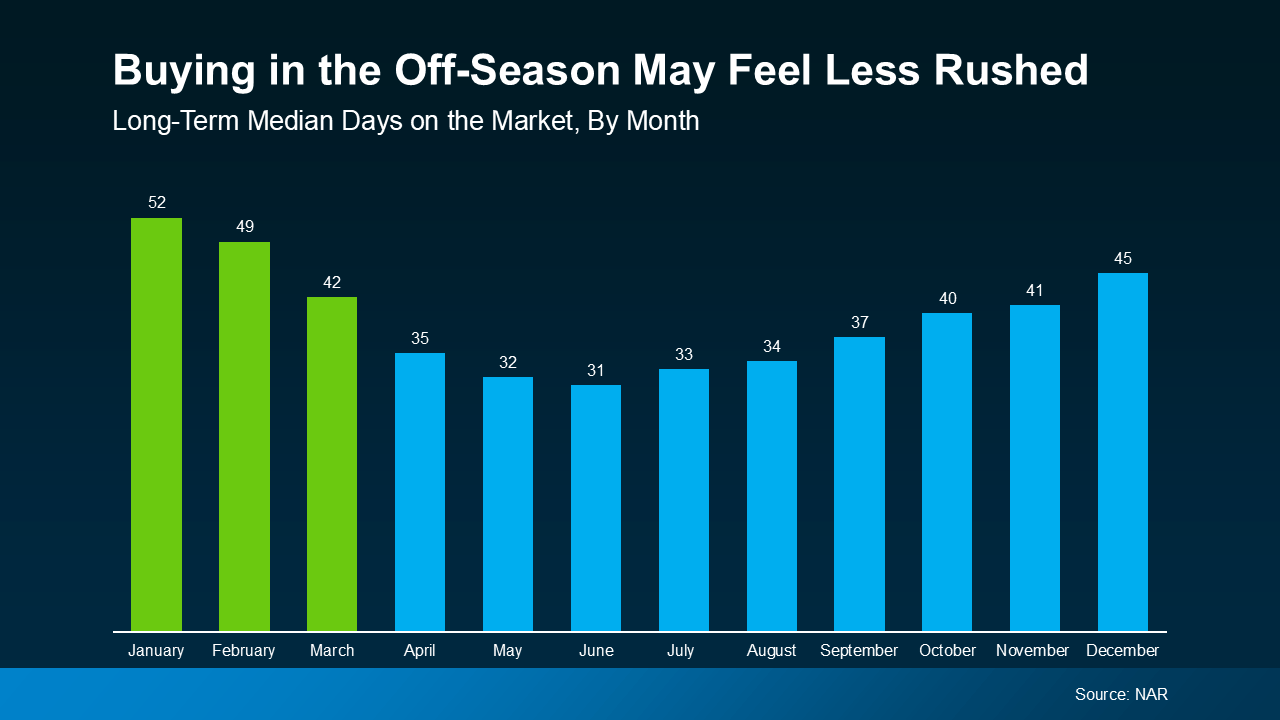
The winter months tend to be quieter in the real estate market. Fewer people are actively looking for homes, which means you’ll likely face less competition when you make an offer. This makes the process feel less rushed and less stressful.

According to the National Association of Realtors (NAR), homes sit on the market longer in winter compared to spring and summer (see graph below):

a graph of blue and green barsFewer buyers in the market means you’ll likely have more time to make thoughtful decisions. It also means you may have more negotiating power. According to the Alabama Association of Realtors:

A significant benefit of buying a home in winter is the reduced competition. Because of the perceived benefits of spring, many buyers delay the start of their house hunt. As a result, you will find fewer people competing for the same properties during winter. Less demand can translate into more negotiating power as sellers may be more willing to entertain offers or agree to concessions to get a deal closed quickly.”

2. More Negotiating Power

With homes staying on the market longer, sellers may be more willing to negotiate. This can lead to better deals for you as a buyer, whether that means a lower price or added incentives, like sellers covering closing costs or making repairs. As Chen Zhao, an Economist at Redfin, points out:

“. . . buying during the off season means less competition from other buyers. That means potentially negotiating a better deal.

Plus, when demand is lower, sellers often feel more pressure to work with serious buyers. This could give you an edge to negotiate terms that work best for your situation.

3. Lock in Today’s Prices Before They Rise

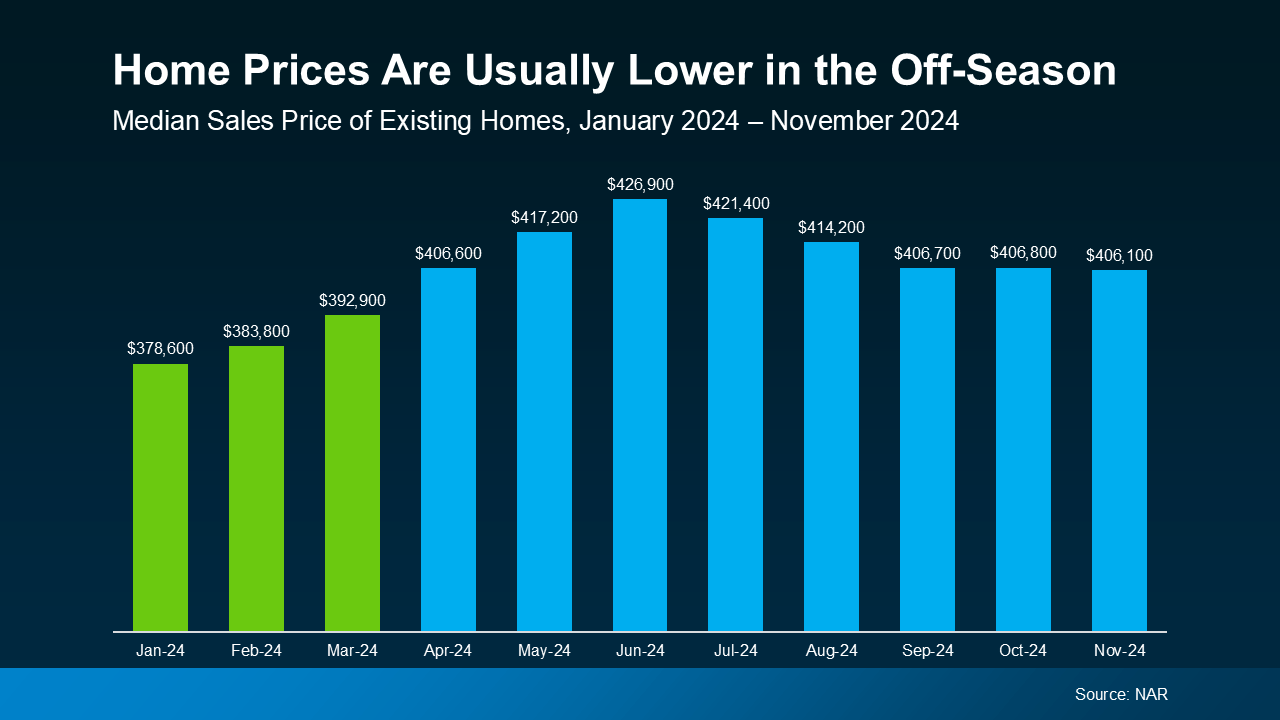
Historically, home prices tend to be at their lowest point in the winter months, too. According to data from NAR, home prices last year were at their lowest in January, February, and March — right before the spring buying season kicked in (see graph below):

a graph of prices and numbersThis trend isn’t new — Bright MLS shows between 2010 and 2024, home prices in January and February were, on average, 15% lower than during the month of peak home prices (typically June). Buying in the off-season means you’re more likely to avoid paying the premium prices that come with the high demand of spring.

On top of that, home prices generally appreciate over time, meaning they tend to go up year after year. That means if you’re ready to buy and you can make it happen, you’re not only taking advantage of what might be the lowest prices of the year, but you’re also locking in today’s price before it increases in the future.

Bottom Line

While spring may seem like the obvious time to buy, moving before the peak season can give you significant advantages, like less competition, more negotiation power, and lower prices.

If you’re ready to explore your options, a local real estate agent is there to help.

Smaller Homes, Bigger Opportunities: The Homebuilder Trend Buyers Love

Smaller Homes, Bigger Opportunities: The Homebuilder Trend Buyers Love

Smaller Homes, Bigger Opportunities: The Homebuilder Trend Buyers Love Simplifying The Market

It’s no secret that affordability is tough with where mortgage rates and home prices are right now. And that may have you worried about how you’ll be able to buy a home. But, if you don’t need a ton of space, you may find you have more cost-effective options in an unexpected place: new home communities.

Builders Are Building Smaller Homes 

Since smaller homes typically come with smaller price tags, buyers have turned their attention to homes with less square footage — and builders have shifted their focus to capitalize on that demand. As U.S. News notes:

“The combination of higher home prices and mortgage rates has strained a lot of people’s budgets. And that’s something builders recognize. To this end, they may be leaning toward smaller spaces . . .That, in turn, can lead to savings for buyers.”

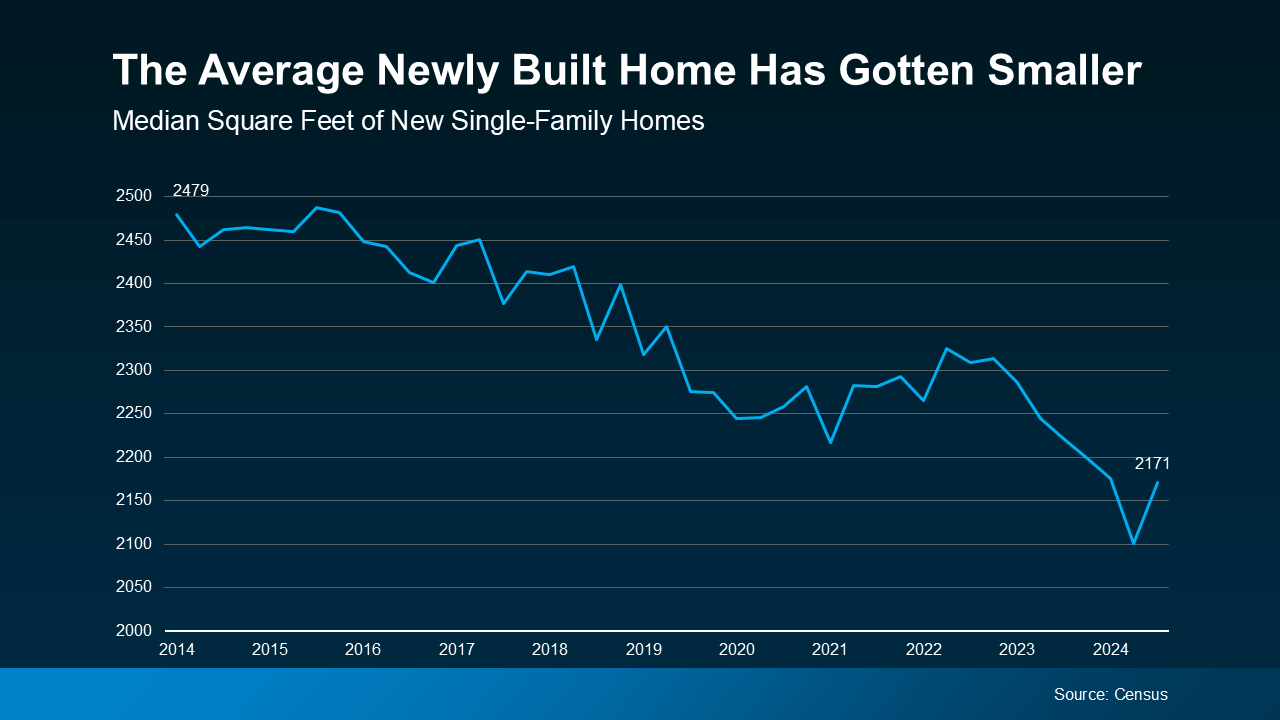
Data from the Census shows the overall builder trend toward smaller, single-family homes has been over the last couple of years (see graph below):

a graph with a line going upAs the graph shows, the average size of a brand-new home has dropped from 2,309 square feet in Q3 2022 to 2,171 square feet in Q3 2024. That’s a difference of 138 square feet.

At the end of the day, builders want to build what they know will sell. And the number one thing homebuyers are looking for right now is less expensive options to help offset today’s affordability challenges. As Multi-Housing News notes:

“The growing trend toward smaller homes is evident. These homes are less expensive to build and more attainable for many middle-income families, meeting both housing needs and modern lifestyle preferences.”

The Benefits of These Brand-New Homes

So, if you’re having trouble finding a home in your budget, it might be worth exploring newly built homes with a smaller footprint.

Not to mention, since newly built homes come with brand new everything, they have fewer maintenance needs and some of the latest features available, like energy-efficient appliances and HVAC. That’ll help you save on repair costs and your monthly utility bills. Sounds like an all-around win.

Bottom Line

Today’s builders are focusing their efforts on smaller homes at lower price points. That could give you more opportunity to find something that fits your budget. If you’re planning to buy soon, connect with a local real estate agent to explore what’s on the market in your area and get your homeownership goals over the finish line.

Pin It on Pinterest